
Trauma can have a lasting impact on both the mind and body. For many individuals, the effects go beyond emotional distress and influence daily functioning, relationships, and overall quality of life. While traditional treatments such as therapy and medication have helped many people, they do not always provide complete or lasting relief. This has led to growing interest in advanced and integrative approaches like trauma recovery therapy that address the root causes of trauma more effectively.
One of the most promising developments in modern mental health care is the combination of vagus nerve stimulation and ketamine therapy. These two innovative treatments work in different but complementary ways to support healing, offering new hope for patients and providers seeking better long-term outcomes.
Understanding Trauma and Its Effects on the Brain
Trauma is not just a psychological experience. It also affects how the brain and nervous system function. When a person experiences trauma, the brain’s stress response system becomes overactive. This can lead to persistent feelings of fear, anxiety, and emotional dysregulation.
The nervous system may remain in a heightened state of alert, making it difficult for individuals to feel safe or relaxed. Over time, these changes can alter neural pathways, reinforcing negative patterns and making recovery more challenging.
This is where the concept of trauma and neuroplasticity becomes important. Neuroplasticity refers to the brain’s ability to reorganize and form new connections. Effective trauma recovery therapy aims to harness this ability to help the brain heal and develop healthier patterns.
What is Vagus Nerve Stimulation
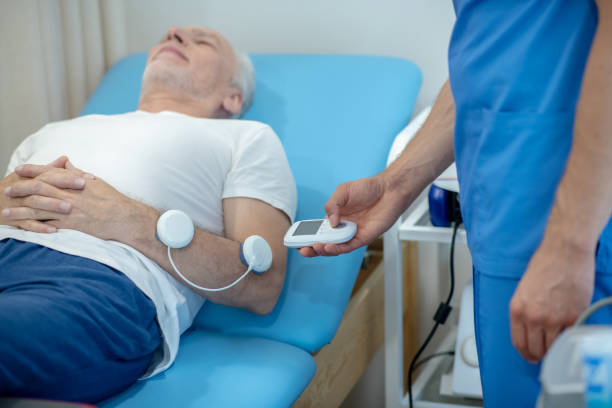
The vagus nerve plays a critical role in regulating the body’s stress response, mood, and emotional balance. Vagus nerve stimulation is a form of neuromodulation that targets this nerve to promote relaxation and improve mental health.
By stimulating the vagus nerve, this therapy helps shift the body from a state of stress to a state of calm. It supports better emotional regulation and can reduce symptoms of anxiety and depression.
Vagus nerve stimulation for depression has shown encouraging results in patients who have not responded well to traditional treatments. It works by improving communication between the brain and the body, helping to restore balance in the nervous system.
What is Ketamine Therapy
Ketamine therapy has emerged as a breakthrough treatment for mental health conditions such as depression and post-traumatic stress disorder. Unlike traditional medications, ketamine works rapidly and targets different pathways in the brain.
Ketamine PTSD therapy is known for its ability to promote neuroplasticity. It helps the brain form new connections, allowing patients to process traumatic memories in a healthier way. This can lead to significant improvements in mood and emotional resilience.
Another advantage of ketamine therapy is its fast-acting nature. Many patients experience relief within hours or days, making it a valuable option for those in urgent need of support.
Why Combine Vagus Nerve Stimulation and Ketamine Therapy
While both treatments are effective on their own, combining them can enhance the overall impact of trauma recovery therapy. Each approach addresses different aspects of trauma, creating a more comprehensive healing process.
Ketamine therapy focuses on rewiring the brain and improving neuroplasticity. It helps patients break free from negative thought patterns and emotional barriers. Vagus nerve stimulation, on the other hand, regulates the body’s stress response and promotes a sense of calm and stability.
Together, these therapies support both the mind and the body. This integrative approach can lead to deeper healing and more sustainable results compared to single treatment methods.
The Science Behind Combination Therapy
The combination of vagus nerve stimulation and ketamine therapy is grounded in scientific principles related to brain function and neuroplasticity. Ketamine enhances the brain’s ability to adapt and form new neural connections, while vagus nerve stimulation creates an environment that supports this process.
By reducing stress and improving emotional regulation, vagus nerve stimulation allows patients to fully benefit from the neuroplastic effects of ketamine. This synergy can accelerate recovery and improve treatment outcomes.
Emerging research suggests that combining these therapies may lead to better symptom reduction and increased resilience. Although ongoing studies continue to explore this approach, early findings are promising.
Benefits of Integrative Trauma Recovery Therapy
Integrative trauma recovery therapy offers several advantages for patients seeking effective and lasting solutions. One of the most significant benefits is faster symptom relief. The combination of therapies works quickly to reduce distress and improve emotional well-being.
Another key benefit is reduced reliance on long-term medications. By addressing the underlying causes of trauma, patients may not need to depend on daily medication to manage their symptoms.
Patients also report improvements in sleep, mood, and overall quality of life. The holistic nature of this approach ensures that both mental and physical aspects of trauma are addressed.
Additionally, integrative therapy provides a personalized treatment experience. Each patient receives a plan tailored to their specific needs, ensuring the best possible results.
Who is a Good Candidate for This Approach
This type of trauma recovery therapy is particularly beneficial for individuals with post-traumatic stress disorder or treatment-resistant depression. It is also suitable for those who have not achieved satisfactory results with traditional therapies.
Patients who are open to innovative treatments and looking for a comprehensive approach to healing may find this combination especially effective. Mental health providers may also recommend this approach for patients who require more advanced care.
A thorough evaluation by a qualified professional is essential to determine if this therapy is appropriate for each individual.
What to Expect During Treatment
The process begins with a detailed assessment to understand the patient’s medical history, symptoms, and treatment goals. Based on this evaluation, a personalized plan is created.
Ketamine therapy sessions are conducted in a controlled and supportive environment. Patients are closely monitored to ensure safety and comfort throughout the process.
Vagus nerve stimulation may be introduced as part of the treatment plan to support ongoing regulation of the nervous system. The combination is carefully managed to maximize benefits.
Progress is regularly reviewed, and adjustments are made as needed. This ensures that the treatment remains effective and aligned with the patient’s needs.
Safety and Considerations
Safety is a top priority in any medical treatment. Both ketamine therapy and vagus nerve stimulation are performed under professional supervision and follow established protocols.
Ketamine therapy may have mild side effects such as temporary dizziness or changes in perception, which are closely monitored. Vagus nerve stimulation is generally well tolerated, with minimal discomfort.
Working with experienced professionals ensures that risks are minimized and that patients receive the highest standard of care.
Role of Mental Health Technology in Modern Care
Advancements in mental health technology have made it possible to develop more effective and personalized treatments. Neuromodulation and innovative therapies like ketamine are transforming how trauma is treated.
These technologies allow for precise targeting of brain and nervous system functions, leading to better outcomes. As research continues, the integration of different therapies is expected to become more common.
The future of trauma recovery therapy lies in combining science, technology, and personalized care to achieve lasting results.
Why Choose a Multi-Modality Approach
A multi-modality approach offers significant advantages over single treatment methods. By addressing multiple aspects of trauma at once, it provides a more complete and effective solution.
This approach reduces the likelihood of relapse and supports long-term healing. It also allows for greater flexibility in treatment, as therapies can be adjusted based on patient response.
For many patients, combining therapies leads to improved outcomes and a better overall experience.
Conclusion
Trauma recovery therapy has evolved significantly with the introduction of advanced treatments like vagus nerve stimulation and ketamine therapy. By combining these approaches, patients can benefit from a powerful and comprehensive method of healing that targets both the brain and the nervous system.
This integrative approach offers faster relief, improved emotional regulation, and long-term results that go beyond what traditional treatments can provide. For individuals seeking a modern and effective path to recovery, exploring combination therapy may be a life-changing step.
If you are ready to take control of your mental health and explore innovative solutions, the expert team at Unika Medical Centre is here to guide you. Schedule your consultation today and discover how personalized trauma recovery therapy can help you achieve lasting healing and a better quality of life.
FAQs
1. What is trauma recovery therapy?
Trauma recovery therapy is a treatment approach that helps individuals heal from emotional and psychological trauma by addressing both brain function and nervous system responses.
2. How does ketamine therapy help with trauma?
Ketamine therapy promotes neuroplasticity, allowing the brain to form new connections and process traumatic experiences more effectively, often providing fast relief from symptoms.
3. What is vagus nerve stimulation used for?
Vagus nerve stimulation helps regulate the body’s stress response and is commonly used for conditions like depression, anxiety, and emotional imbalance.
4. Can vagus nerve stimulation and ketamine therapy be combined?
Yes, combining these therapies can enhance results by improving both brain function and nervous system regulation, leading to more effective trauma recovery.
5. Who should consider integrative trauma recovery therapy?
Individuals with PTSD, anxiety, or treatment-resistant depression who have not found relief with traditional methods may benefit from this advanced approach.