
If you are considering PRP, you are probably looking for one clear answer: how long until you feel better. That is the right question because PRP does not act like a numbing injection that changes symptoms immediately. PRP works through your body’s healing signals, so the PRP injections work timeline usually unfolds in phases. Some people notice small shifts early, many feel their biggest changes later, and almost everyone benefits most when they follow a clear aftercare and rehab plan.
At UNIKA Medical Centre, we explain the PRP injections work timeline in plain language so you can plan work, training, and day-to-day life without guessing. PRP commonly falls under Orthobiologics (Regenerative Medicine) Injections, and it may be considered for certain tendon, ligament, and joint concerns when you are an appropriate candidate. This guide breaks down the PRP recovery timeline week by week, the factors that speed it up or slow it down, and how to track progress in a way that actually reflects healing.
Understanding PRP And Why The Timeline Takes Time
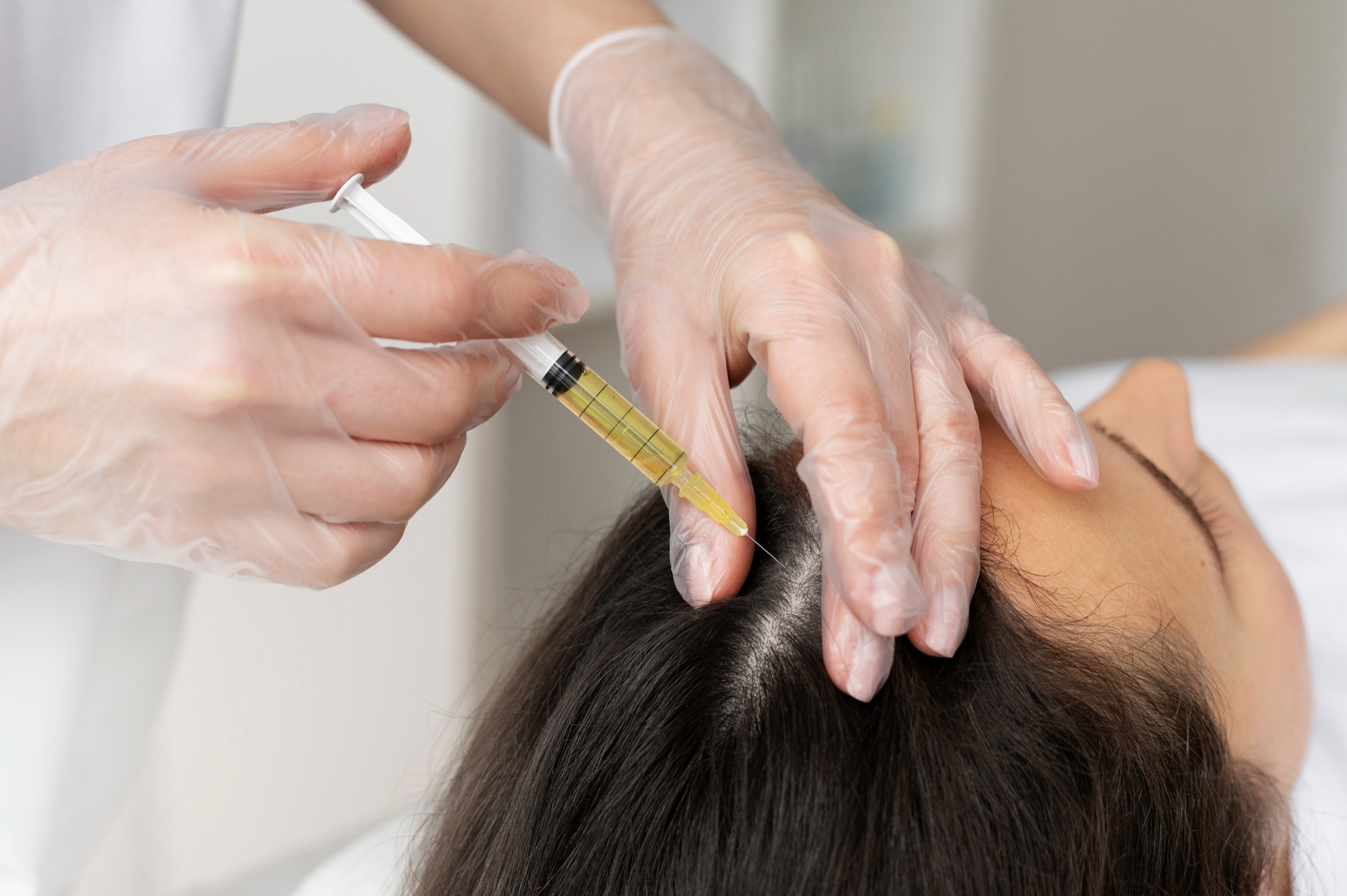
PRP stands for platelet-rich plasma. A clinician draws your blood, processes it to concentrate platelets, and then injects the platelet-rich portion into the targeted tissue. Platelets contain growth factors and signaling proteins that may support the body’s repair processes. Because PRP relies on biology instead of immediate numbing, the PRP recovery timeline tends to be gradual. You are not “masking” symptoms. You are supporting a response that may take weeks to translate into functional improvement.
It is also important to understand how PRP is discussed from a regulatory and public information standpoint in Canada. Health Canada has stated it has not reviewed scientific evidence on PRP safety, efficacy, and quality for any therapeutic uses because it has not received applications to market PRP or conduct clinical trials, and it notes only certain practitioners can prepare and administer PRP. That context is one reason your decision should start with a careful clinical assessment, informed consent, and realistic expectations about the PRP recovery timeline.
What People Often Expect Versus What PRP Usually Does
Many people expect PRP to work like steroid injections, where inflammation reduction can feel fast. PRP typically does not follow that pattern. In the PRP injections work timeline, the early phase often involves soreness and sensitivity, then progress shows up later in function.
Why “Faster” Is Not Always Better
Trying to force quick results often backfires. Overloading the tissue early can flare pain and confuse the healing process. The PRP recovery timeline usually rewards pacing and consistency.
The PRP Injections Work Timeline Week By Week
Most patients experience a pattern, even though individual results vary. In the first few days, the injection site can feel sore, heavy, or irritated. This phase can feel discouraging if you expected immediate relief, but it can still fit within a normal PRP recovery timeline. Over the next few weeks, many people notice smaller changes, such as fewer sharp spikes, less morning stiffness, or improved tolerance for light activity. The more noticeable improvements often become clearer around the 6 to 12 week mark, especially when rehab supports the tissue.
The best way to think about the PRP recovery timeline is to track function, not only pain. Pain levels can fluctuate based on sleep, stress, activity, and weather. Function gives a clearer signal. Track walking time, stair tolerance, lifting comfort, training capacity, or how quickly you recover after activity. If your case includes referred pain or leg symptoms, your clinician may also evaluate whether Advanced Spine Care should contribute to your plan, because spine-related issues can affect how you perceive progress across the PRP injections work timeline.
Days 1 To 7
In many cases, the first week includes localized soreness or a flare-like feeling. Some people feel “worse before better” during this part of the PRP recovery timeline. Your provider may recommend activity modification, gentle movement, and a structured plan for symptom control.
Weeks 2 To 6
This stage often includes early signals of progress, but not always dramatic ones. You may notice better daily consistency, fewer intense flare-ups, or quicker recovery after activity. This part of the PRP recovery timeline often improves most when you follow a progressive rehab plan.
Weeks 6 To 12
This is the window where many people report meaningful functional changes. They walk longer, climb stairs with less discomfort, and trust the area more. For many patients, the PRP recovery timeline becomes clearly positive here, especially if strength and mobility work continues.
Months 3 To 6
Some conditions keep improving beyond three months, especially when you build strength and load tolerance properly. This later part of the PRP injections work timeline focuses on consolidation and long-term resilience.
What Changes The PRP Injections Work Timeline
The PRP recovery timeline depends on the tissue being treated, the severity and duration of the condition, and how well aftercare matches your daily demands. Tendons and ligaments often heal slowly because they have less blood supply than muscle. Joint cartilage has its own limits as well. A newer injury often responds faster than a problem that has been present for years, but long-standing problems can still improve with the right plan.
Lifestyle factors also influence the PRP recovery timeline. Poor sleep, high stress, inconsistent movement, and repetitive strain can slow progress. Returning to heavy training too early can do the same. A strong plan makes room for recovery while still keeping you active enough to support circulation and tissue adaptation. In some cases, patients also ask about supportive services that help regulate pain sensitivity. If stress and pain sensitivity amplify symptoms, your provider may discuss options such as Vagus Nerve Therapy as part of broader pain support, but your PRP plan still needs a tissue-focused rehab pathway.
Injection Accuracy And Technique
Precision matters, especially in small tendon spaces and joint areas. Accurate placement can support a smoother PRP injections work timeline because the PRP reaches the intended tissue.
Your Baseline Activity And Workload
If your job demands lifting, long standing, or repetitive motion, your plan must account for that. The PRP recovery timeline often improves when you modify workload early and reintroduce load gradually.
The Role Of Rehab
Rehab is the bridge between biology and function. A clear rehab plan helps you load tissue at the right intensity and the right time. This is one of the strongest predictors of a successful PRP recovery timeline.
What To Expect After The Injection
After PRP, it is common to feel localized soreness and stiffness. Some people feel a deep ache that makes them cautious for a few days. This reaction can fit within a normal PRP injections work timeline. What matters is direction over time. You want soreness that settles and gradual improvement in comfort and function as weeks pass. Your clinic should also give you clear instructions about what is normal, what is not, and how to pace activity.
It also helps to understand what you should track. Pain alone can mislead you. Track the tasks that matter most to your life. If you are treating knee pain, track stairs, walking distance, or sit-to-stand comfort. If you are treating a tendon issue, track training tolerance and recovery time after exercise. These measures reveal progress across the PRP recovery timeline more clearly than a single pain score.
Normal Short-Term Reactions
Mild soreness, stiffness, and sensitivity are common. Many people notice early stability improvements before major pain reduction in the PRP injections work timeline.
When To Call Your Provider
If you experience severe swelling, fever, spreading redness, drainage, or escalating pain that does not settle, contact your provider. Safety always comes first, regardless of the PRP injections work timeline.
PRP Recovery Plan Basics
The PRP injections work timeline improves when your plan includes pacing, progressive load, and realistic milestones. Most people need a short period of reduced intensity after the injection, followed by structured reloading. The goal is to protect the tissue early, then build tolerance without provoking major flare-ups. Your clinician should outline what to do in week one, what changes in weeks two to six, and what the return-to-activity progression looks like.
If your symptoms overlap with back or nerve patterns, your provider may also recommend Advanced Spine Care to ensure the plan addresses spinal contributors that could affect progress. If you want clarity on budgeting or access, ask about Uninsured Services so you can make decisions confidently. PRP can be a commitment, and cost planning helps you stay consistent across the PRP injections work timeline.
Why Pacing Matters
Doing too much too soon creates flare-ups and can delay progress. Doing too little can also stall adaptation. Pacing helps you stay in the productive zone of the PRP injections work timeline.
Why Strength Work Usually Matters
Strength supports tissue resilience and reduces recurrence risk. When strength improves, the PRP recovery timeline often feels more stable and predictable.
A Good Weekly Checkpoint
Choose one function marker and test it weekly at the same effort level. This helps you see real progress in the PRP injections work timeline.
Tips To Support The PRP Injections Work Timeline
The best results often come from simple habits done consistently. You do not need a perfect routine. You need a repeatable one that respects tissue recovery and reduces flare triggers. These tips can support a smoother PRP injections work timeline when you follow your clinician’s guidance.
Here is a random list to support the PRP recovery timeline:
- Set clear goals, such as stairs, walking time, or training tolerance.
- Plan reduced intensity for the first one to two weeks after PRP.
- Track function weekly, not only pain.
- Prioritize sleep because it supports recovery and pain control.
- Reintroduce load gradually instead of jumping back into full intensity.
- Keep daily movement gentle and consistent to support circulation.
- Ask about Uninsured Services if you want clear cost planning from the start.
If you want credible public education while you plan, Government of Canada chronic pain resources can also help you understand chronic pain patterns and self-management strategies.
The Biggest Mistake People Make
They test the area too early. Feeling slightly better can tempt you to push hard. That often delays the PRP injections work timeline.
How PRP Compares To Other Non-Surgical Options
PRP is one option in a broader non-surgical plan. Some people improve with progressive rehab alone. Others benefit from combined approaches. Your clinician should compare PRP to realistic alternatives based on diagnosis, severity, and goals. The PRP injections work timeline should be discussed alongside what you would expect from rehab, activity modification, or other care options so you understand the trade-offs.
At UNIKA Medical Centre, PRP discussions often happen within Orthobiologics (Regenerative Medicine) Injections planning. For some patients, the clinician may also evaluate whether spine-related factors require attention through Advanced Spine Care, because referred pain can mimic joint or tendon problems. When the diagnosis is clear, it becomes easier to decide if PRP fits your goals and whether the PRP recovery timeline matches what you need.
When PRP May Fit Well
PRP may fit when the goal is to support local tissue recovery for certain tendon, ligament, or joint problems and when conservative care has not delivered enough improvement.
When Another Approach May Fit Better
If pain is mostly mechanical from movement habits, or if spinal nerve irritation dominates symptoms, you may benefit more from a spine-focused plan first. That can improve outcomes even if you later consider PRP.
Why Choose UNIKA Medical Centre
Choosing PRP is easier when you have clear education, a diagnosis-driven plan, and realistic milestones. UNIKA Medical Centre supports patients by explaining the PRP injections work timeline in practical terms and building a step-by-step pathway that includes aftercare, progressive rehab, and measurable goals. We help you understand what changes to expect, how to track progress, and how to avoid common mistakes that delay recovery.
We also support patients with related services when they fit the clinical picture. That may include Orthobiologics (Regenerative Medicine) Injections planning, Advanced Spine Care screening for contributing factors, and Uninsured Services discussions for cost clarity. Our goal is to help you make confident decisions and follow a plan that supports steady progress across the PRP recovery timeline.
Plan Your PRP Recovery With Confidence And Clear Next Steps
PRP can be a strong option for the right candidate, but it works on a biological schedule. When you understand the PRP injections work timeline, you make better choices about pacing, rehab, and expectations. Many people do not feel instant results. They notice gradual functional improvements that build over weeks and months, especially when they stay consistent with their plan.
If you want a clear, personalized PRP injections work timeline based on your condition and goals, UNIKA Medical Centre can help. Book a consultation to discuss Orthobiologics (Regenerative Medicine) Injections, review your diagnosis, and create a recovery plan that supports safe progress. If you need cost planning, ask about Uninsured Services so you can move forward with clarity.
Frequently Asked Questions
- What is the typical PRP injections work timeline for improvement?
Many people notice early changes in weeks and clearer gains around 6 to 12 weeks in the PRP recovery timeline. - Can the PRP injections work timeline include soreness in the first week?
Yes. Short-term soreness can occur and still fit within a normal PRP injections work timeline. - Does rehab change the PRP injections work timeline?
Yes. A structured rehab plan often improves outcomes and supports a smoother PRP injections work timeline. - What should I track during the PRP injections work timeline?
Track function like stairs, walking time, and activity tolerance. These reveal PRP injections work timeline progress clearly. - Can a back problem affect the PRP injections work timeline?
Yes. Referred pain can confuse progress. Advanced Spine Care can clarify contributors that affect the PRP recovery timeline. - How long should I avoid heavy training in the PRP injections work timeline?
Your clinician should guide timing, but most plans use gradual loading to protect the PRP injections work timeline. - When should I call the clinic during the PRP injections work timeline?
Call if you develop severe swelling, fever, spreading redness, or escalating pain that does not settle during the PRP injections work timeline.