
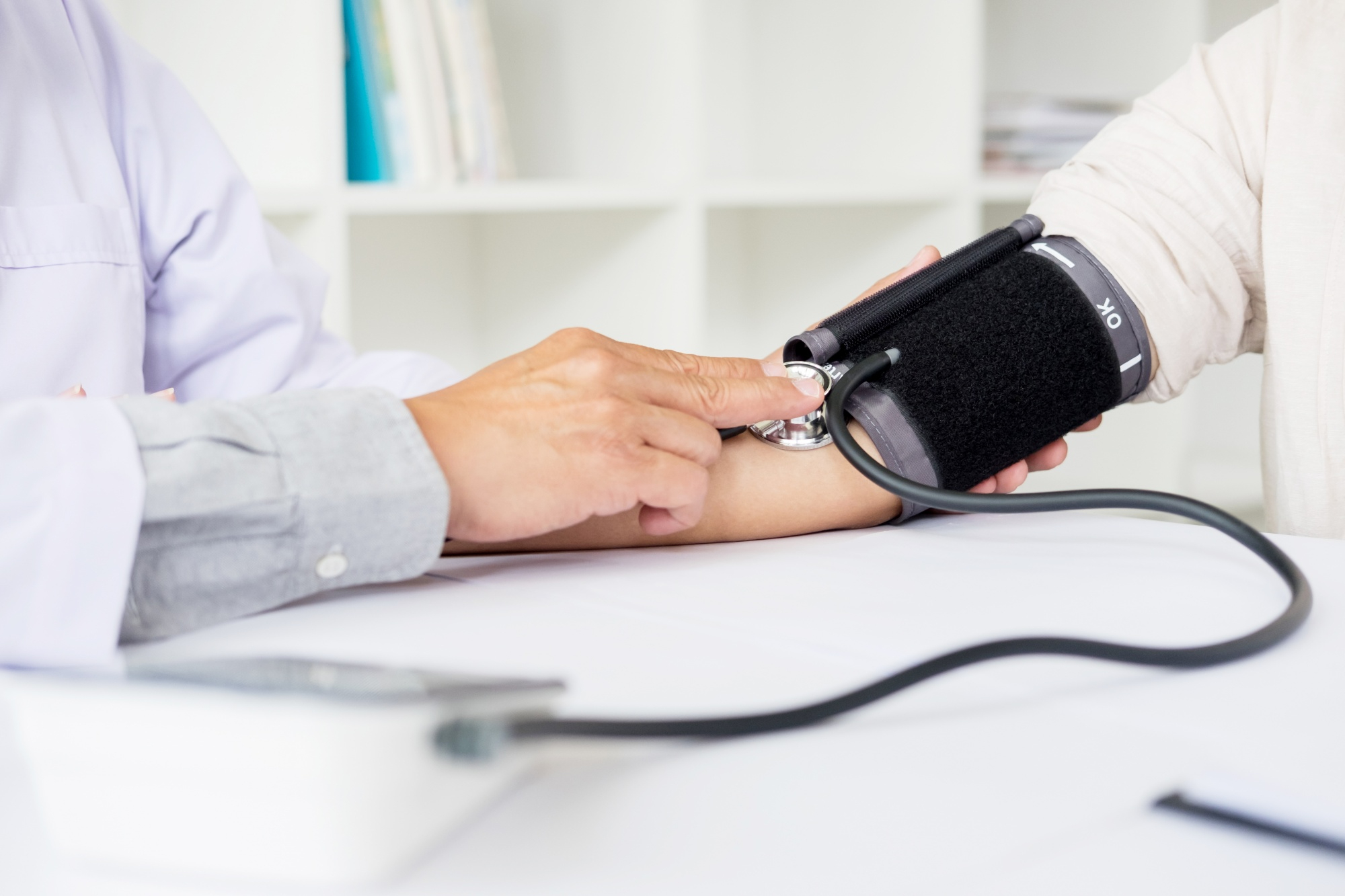
Many people try to manage blood pressure on their own for a long time. They cut back on salt, walk more, drink more water, and hope the numbers settle. Sometimes that helps. Sometimes it delays care. The tricky part is that high blood pressure often has no obvious symptoms, so it can feel “fine” until it is not. That is why knowing when to see a high blood pressure doctor matters, even if you feel normal.
At UNIKA Medical Centre, we support patients who want clarity and a plan, especially when home readings feel confusing or symptoms start to interfere with daily life. This guide explains when it is time to stop managing it alone and see a high blood pressure doctor, what readings to take seriously, which symptoms should never be ignored, and how to prepare for an appointment so you get real answers instead of guesswork.
Why High Blood Pressure Is Easy To Ignore
High blood pressure often stays silent, which makes it easy to delay care. Many people assume they would “feel it” if something was wrong. In reality, most people with high blood pressure have no symptoms, and that can create a false sense of safety. A person can have elevated readings for months or years without realizing it. That is one reason a high blood pressure doctor often focuses on your numbers, your risk factors, and your overall cardiovascular health, not only how you feel. Government of Canada information on high blood pressure also notes that most people do not have symptoms, which is why it is important to know your numbers.
Even when symptoms do show up, they can feel vague. Some people report headaches, dizziness, vision changes, or shortness of breath, but those symptoms can also come from many other causes. This is where a high blood pressure doctor becomes important. You want a professional to confirm whether blood pressure is truly the driver, whether another condition is involved, and what your safest next steps are. If you are unsure whether your readings are accurate, or you only see spikes sometimes, a high blood pressure doctor can also help you measure correctly and interpret trends rather than single readings.
Signs You Should Stop Managing It Yourself
A good rule is simple: if your numbers stay high despite lifestyle changes, or if symptoms start showing up, you should see a high blood pressure doctor. Many people wait because they want to “fix it naturally,” but there is nothing wrong with using both lifestyle changes and medical guidance. Lifestyle improvements remain valuable, but they work best with proper monitoring and a plan. If you notice rising readings over several days or weeks, do not wait for a crisis to motivate action.
Another reason to see a high blood pressure doctor is uncertainty. If you feel anxious about your readings, do not know what is “high enough” to worry about, or you keep changing your routine based on random numbers, you deserve clarity. A high blood pressure doctor can confirm whether you have hypertension, whether you need medication, and what targets make sense for your age and health profile. That guidance can prevent both extremes: ignoring real risk and overreacting to occasional spikes.
Common Situations That Call For A Visit
If you are getting repeated high readings, new symptoms, or you have diabetes, kidney disease, sleep apnea, or a strong family history, schedule with a high blood pressure doctor. Your risk profile changes what “urgent” means.
Blood Pressure Numbers That Should Prompt Medical Care
If your readings consistently fall above the normal range, you should talk to a high blood pressure doctor, even if you feel okay. One high reading does not always mean you have hypertension, but repeated readings do matter. The key is consistency. Take readings at the same time each day, use proper technique, and track results over at least a week. A high blood pressure doctor looks at patterns, not just one number taken during stress or after caffeine.
If your readings reach very high levels, you should not wait weeks. Many clinical resources use thresholds like 180 systolic or 120 diastolic as a serious level that requires prompt medical attention, especially if symptoms appear. Provincial clinical guidance and emergency resources also define severe hypertension and hypertensive urgency or emergency around these levels. A high blood pressure doctor can help you understand what your numbers mean in your specific case and whether you need same-day care, urgent follow-up, or a structured outpatient plan.
How To Take A Reading That A Doctor Can Trust
Sit quietly for five minutes, keep feet flat, support your arm, and avoid talking. Use the correct cuff size. A high blood pressure doctor will rely on accurate technique because poor technique can exaggerate readings.
When High Blood Pressure Is An Emergency
There are moments when you do not schedule an appointment, you seek emergency care. If your blood pressure is extremely high and you have symptoms suggesting organ stress, you should treat it as urgent. Symptoms can include chest pain, shortness of breath, severe headache, confusion, vision changes, weakness, numbness, or trouble speaking. Emergency guidance often uses a high threshold with symptoms as a sign of possible hypertensive emergency. HealthLinkBC describes calling 911 when your blood pressure is very high and you have symptoms that suggest a heart attack or stroke.
If your blood pressure is extremely high even without symptoms, you still should not ignore it. Some emergency and provincial guidance treats very high readings as severe hypertension that warrants prompt medical evaluation and follow-up timing, even when symptoms are absent. A high blood pressure doctor can help you plan safely after an event like this, but the first step is knowing when the situation is beyond home management.
Red-Flag Symptoms That Need Immediate Help
Chest pain, sudden weakness, speech trouble, major vision changes, severe headache, or severe shortness of breath should trigger urgent care. Do not wait to see if the numbers drop.
What A High Blood Pressure Doctor Will Ask You
A high blood pressure doctor will usually start with your history and your risk profile. Expect questions about family history, weight changes, sleep quality, stress, smoking, alcohol, caffeine, exercise, and diet. You may also discuss medications and supplements, because some can increase blood pressure. A high blood pressure doctor will want your home readings if you have them, including how you took them and what device you used. This is why tracking is so important.
A high blood pressure doctor will also ask about symptoms and timing. They will want to know if you get headaches, dizziness, chest pressure, shortness of breath, swelling, or exercise intolerance. They may ask about snoring and daytime fatigue, since sleep issues can affect blood pressure. They may also ask about anxiety and chronic stress, because stress can raise readings and can also create a cycle where worry about readings makes readings worse. If stress plays a major role in your symptoms, some patients ask about supportive options such as Vagus Nerve Therapy as part of a broader wellness discussion, while still keeping blood pressure management grounded in medical care.
Why Your Log Matters More Than A Single Number
A high blood pressure doctor makes decisions based on trend lines. A week of consistent readings tells a clearer story than one spike after a stressful day.
What To Bring To Your Appointment
To get the most value from a high blood pressure doctor visit, bring a simple blood pressure log. Include the date, time, reading, and any notes like caffeine, poor sleep, or stress. Also bring your medication list, including over-the-counter products, supplements, and decongestants. If you have other conditions like diabetes or kidney disease, bring recent lab results if you have them. Your high blood pressure doctor may review those to understand your risk and your safest target range.
It also helps to bring your home monitor. A high blood pressure doctor can compare your device to an office reading and confirm your technique. This step alone can reduce anxiety and prevent errors that lead to unnecessary worry. If budgeting affects your ability to access ongoing care, ask about Uninsured Services so you can plan follow-ups and testing with clear expectations. A strong plan feels easier to follow when you understand both the medical steps and the practical logistics.
Questions Worth Asking
Ask what range you should aim for, how often you should measure, what lifestyle changes matter most, and what symptoms should trigger urgent care. A high blood pressure doctor should answer clearly.
Step By Step Plan To Take Control Safely
If you are managing blood pressure at home, your goal should be structure, not constant checking. Measure at consistent times, track trends, and focus on changes you can keep long-term. A high blood pressure doctor can guide you on whether lifestyle changes are enough or whether medication should be part of your plan. Many people need both, and that is normal. Lifestyle changes remain critical even if medication is added.
Here is a random list of practical steps to prepare for a high blood pressure doctor visit and improve day-to-day management:
- Take readings at the same time each day for 7 days and record them.
- Avoid caffeine, nicotine, and exercise for 30 minutes before measuring.
- Bring your monitor to your appointment to confirm accuracy.
- Track sleep quality and stress levels alongside readings.
- Use movement you can repeat weekly, like walking, not random bursts.
- Reduce high-sodium packaged foods and focus on consistent meal patterns.
- Book follow-up instead of waiting for a “perfect” week.
A high blood pressure doctor will help you decide what comes next, which might include labs, lifestyle targets, medication, or referrals. If you also deal with headaches, neck tension, or chronic pain patterns that influence stress and sleep, some patients discuss related support through clinic services such as Advanced Spine Care for musculoskeletal contributors, while keeping blood pressure care evidence-based and medically appropriate.
How To Know Your Plan Is Working
Look for improving averages, not perfect single readings. A high blood pressure doctor will often adjust plans based on trends over weeks, not one day.
Why Choose UNIKA Medical Centre
Seeing a high blood pressure doctor should feel like getting a clear plan, not getting lectured. UNIKA Medical Centre focuses on education, structured decision-making, and practical next steps. We help you understand your readings, identify what is driving elevated numbers, and build a plan you can actually follow. Patients value clarity around what is urgent, what is manageable, and what progress should look like.
We also recognize that blood pressure does not exist in isolation. Stress, sleep disruption, and chronic pain can complicate self-management and make the experience feel overwhelming. When appropriate, patients may ask about supportive wellness options like Vagus Nerve Therapy, or about practical planning through Uninsured Services. If musculoskeletal pain contributes to poor sleep or persistent tension, some patients also discuss assessment pathways like Advanced Spine Care, while keeping blood pressure treatment anchored in medical standards and safe monitoring.
Know The Right Time To See A High Blood Pressure Doctor And Get A Clear Plan
The right time to see a high blood pressure doctor is often earlier than people think. If your readings stay elevated, if you feel uncertain about what your numbers mean, or if symptoms begin to show up, it is time to stop guessing and get a clear plan. High blood pressure is often silent, which is exactly why monitoring and professional guidance matter.
If you are ready to speak with a high blood pressure doctor, UNIKA Medical Centre can help you take the next step with clarity and structure. Book a consultation to review your readings, discuss your symptoms, and build a plan that supports long-term health and peace of mind. If you have questions about Uninsured Services or want to discuss how stress and chronic pain factors affect your daily management, bring those concerns and we will guide you through the options.
Frequently Asked Questions
- When should I see a high blood pressure doctor for the first time?
See a high blood pressure doctor if you have repeated high readings over a week or you feel unsure about your numbers. - What readings mean I should call a high blood pressure doctor soon?
A high blood pressure doctor visit is smart when readings stay high on multiple days, even if you feel fine. - When is it an emergency instead of a high blood pressure doctor visit?
If blood pressure is extremely high with chest pain, stroke symptoms, or severe shortness of breath, seek emergency care. - Can a high blood pressure doctor help if my readings only spike sometimes?
Yes. A high blood pressure doctor can review triggers, technique, and patterns to decide what the spikes mean. - What should I bring to a high blood pressure doctor appointment?
Bring your home log, your monitor, your medication list, and a list of symptoms for the high blood pressure doctor to review. - How often should I check before seeing a high blood pressure doctor?
Many people check daily for a week. A high blood pressure doctor can confirm the best schedule for your situation. - Can stress make me need a high blood pressure doctor even if my lifestyle is healthy?
Yes. Stress can raise readings and worsen sleep. A high blood pressure doctor can help separate stress spikes from persistent hypertension.