
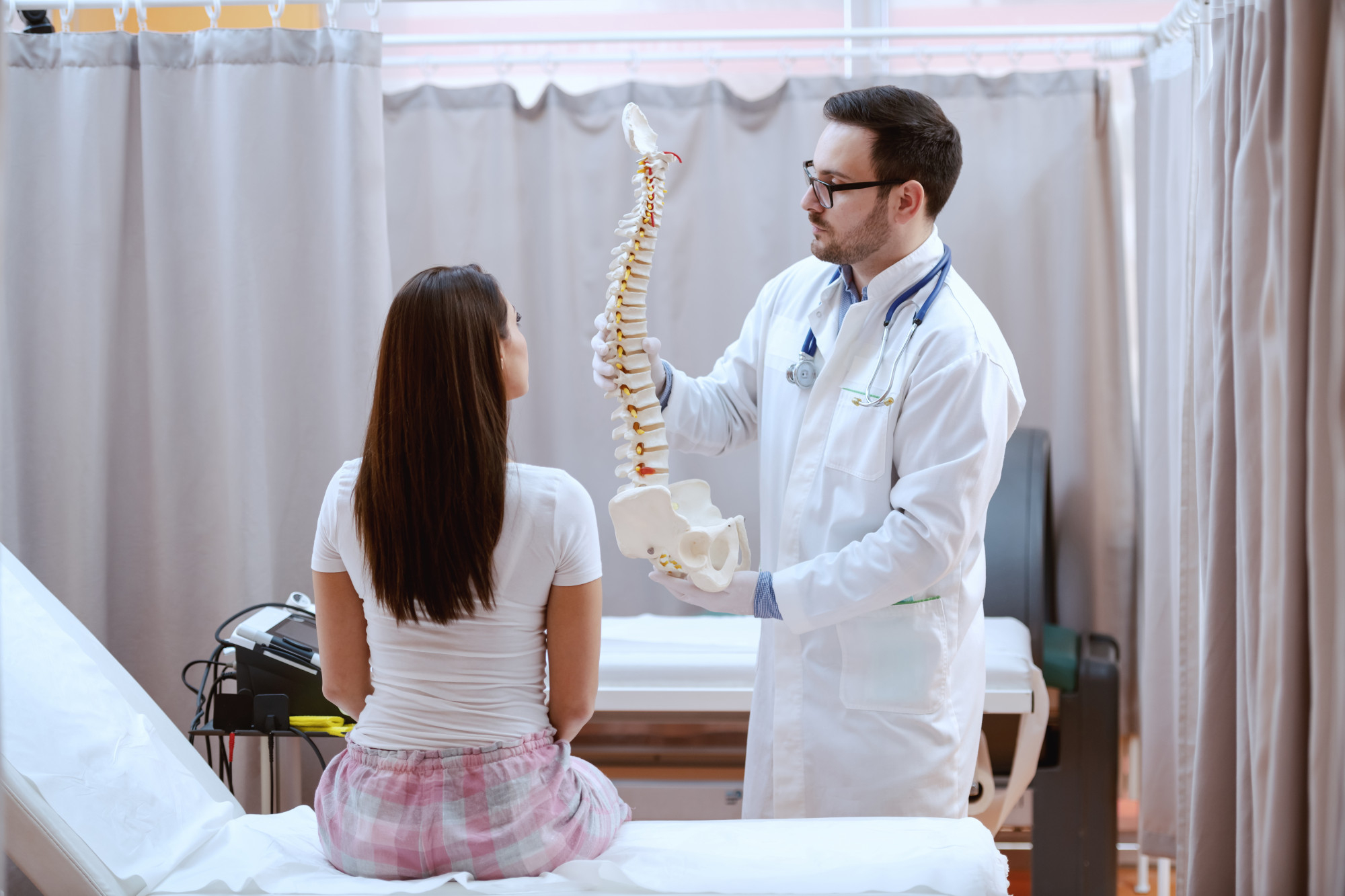
Spine pain can derail your days and quietly steal your nights. If you’re hesitating between living with it, booking surgery, or trying something different, you’re not alone. Many people discover that when the right team evaluates the true drivers of their discomfort, conservative options can be both effective and empowering. This guide—prepared on behalf of UNIKA Medical Centre—shows you how to navigate choices thoughtfully, understand what “advanced” non-surgical care really means, and decide when spinal pain treatment without surgery is the right next step.
You’ll learn how to interpret common symptoms, what evidence-informed assessment looks like, which therapies have the strongest track records, and when escalation makes sense. We’ll also outline the UNIKA approach so you can see how a coordinated plan is built around goals that matter to you—mobility, sleep, work, sports, or simply getting through a day without that gnawing ache.
Educational note: This guide is for information only and isn’t a substitute for medical advice. If you have red-flag symptoms (e.g., new bowel/bladder dysfunction, severe weakness, fever with back pain, recent trauma), seek urgent care.
Why “Advanced” Non-Surgical Care Belongs on Your Shortlist
Modern spinal pain treatment is a lot more than rest and painkillers. “Advanced” refers to using precise diagnostics, targeted manual therapies, evidence-based exercise progressions, and adjunct technologies—integrated inside a team that communicates. For many people, this combination can reduce pain, restore function, and prevent relapses—without the risks and downtime of surgery.
What does the evidence say?
Independent Canadian and provincial guidance emphasizes early assessment, movement, education, and judicious imaging—reserving surgery for specific indications. Ontario Health’s Low Back Pain Quality Standard highlights assessment, self-management, and non-pharmacological care while discouraging unnecessary imaging for straightforward cases.
At the national level, the Public Health Agency of Canada’s chronic pain resources point Canadians to multidisciplinary, person-centred approaches that blend physical, psychological, and social supports.
Understanding Your Pain: When Anatomy Meets Daily Life
It’s human to want a single culprit. In reality, spine pain is usually multifactorial—a mix of tissue sensitivity, movement patterns, sleep, stress, and workload. A good plan starts with mapping those inputs clearly.
Common clinical patterns (not a diagnosis)
-
Mechanical low back pain: Worse with certain movements or positions; improves with others.
-
Radicular pain (sciatica): Leg pain with tingling or numbness along a nerve pathway.
-
Facet or SI joint-dominant patterns: Localized ache with specific extension or rotation.
-
Myofascial pain: Achy, trigger-point-like discomfort with muscle tightness.
What “advanced” assessment adds
-
Functional movement testing (how you bend, squat, reach).
-
Load tolerance screening (what intensity or duration tips you into pain).
-
Neurodynamic tests (to differentiate nerve irritation).
-
Psychosocial screens identifying fear-avoidance, catastrophic thinking, or sleep barriers that amplify pain.
When your clinician identifies which loads aggravate symptoms and which motions soothe them, spinal pain treatment becomes specific rather than generic.
Building a Non-Surgical Game Plan
A strong plan blends the right elements in the right order. Think “restore, re-train, and reinforce.”
Restore: Settle irritation and reclaim motion
Goals: reduce nociceptive input, calm reactive muscles, and open a window for training.
-
Manual therapy: Joint mobilization or manipulation, soft-tissue techniques to reduce guarding.
-
Targeted modalities (as needed): Heat/ice for symptom control; carefully selected electrotherapy to modulate pain; traction for short-term relief in select radicular presentations.
-
Dose-specific mobility: Repeated movement strategies (e.g., flexion or extension bias), gentle rotations, hip mobility.
Re-train: Strength, endurance, and motor control
Goals: build tissue capacity and restore confident, automatic movement.
-
Graded exercise: Progression from positional tolerance (supine/prone) to anti-gravity tasks (bridges, hinges) to loaded patterns (squats, carries).
-
Lumbopelvic control: Teach spine-sparing hip hinge, anti-rotation work, and deep trunk endurance (not endless crunches).
-
Conditioning: Low-impact aerobic training (walk/cycle/swim) improves circulation and pain modulation.
Reinforce: Make gains stick in real life
Goals: align your daily environment with recovery.
-
Workload mapping: Micro-breaks, task rotation, smarter lifting/handling.
-
Sleep strategy: Pillows/positioning, wind-down routine, consistent schedule.
-
Relapse playbook: What to do at the first twinge (a short sequence you can perform anywhere).
This staged approach turns spinal pain treatment into a practical skill—something you understand and can repeat, not a mystery.
Technologies and Techniques You’ll Hear About (What They Really Do)
Clinical jargon can be confusing. Here’s a plain-language tour.
Image-guided interventions
-
Selective nerve root or facet injections: Short-term relief, diagnostic value; best when they unlock participation in exercise.
-
Radiofrequency neurotomy (for facet-related pain): Temporarily disrupts pain signaling from irritated joints.
Regenerative or biologic options
-
PRP and other biologics: Emerging evidence in select scenarios; discuss candidacy carefully.
Neuromodulation and pain education
-
Pain neuroscience education: Changes the way the nervous system interprets threat, reducing amplification.
-
Neuromuscular re-ed tools: Real-time biofeedback to improve motor patterns.
None of these replace movement; they create a runway so you can move more and better. Advanced spinal pain treatment is about combining tools, not chasing the newest one in isolation.
When Surgery Belongs in the Conversation
Surgery is invaluable for specific indications, but it’s not a shortcut. Consider escalation when:
-
Progressive or severe neurological deficits (e.g., worsening foot drop).
-
Cauda equina red flags (emergency).
-
Intractable radicular pain with clear surgical target and failure of appropriately dosed conservative care.
-
Structural instability confirmed clinically and radiographically.
Even then, prehab and post-op rehab matter. Many pathways in Canada emphasize conservative care first for uncomplicated low back pain, reserving imaging and procedures for select cases.
The Role of Work, Ergonomics, and Everyday Loads
Lifting, carrying, and awkward postures can sensitize tissues over time. Canadian occupational health resources emphasize risk reduction through task design, not just “lifting with your legs.” Practical changes at work and home are a core part of spinal pain treatment that lasts.
Small changes, compounding benefits
-
Adjust surface height (kitchen, workbench) to reduce sustained flexion.
-
Use hip hinge and a “close to body” carry; pivot feet, don’t twist under load.
-
Break up static sitting with 60-second micro-mobility (hip flexor openers, gentle extensions).
Ten “Minimum-Effective-Dose” Habits That Support Your Spine
-
Morning mobility minute: Two movements you enjoy—consistency beats complexity.
-
Walk after sitting: 3–5 minutes every hour re-primes circulation and reduces stiffness.
-
Hip hinge everywhere: Brushing teeth, picking laundry, loading the dishwasher—practice the pattern.
-
Breathe, then brace: Exhale, set the ribcage, then lift; saves your back and shoulders.
-
Progress, don’t perfect: Add a little load or time each week; write it down.
-
Choose supportive shoes: Especially on long standing days or hard floors.
-
Train balance: Single-leg stands or step-downs; balance makes stairs and curbs safer.
-
Keep a “spine snack” list: 3 exercises you can do in 5 minutes when pain whispers.
-
Buffer big days: If moving house, schedule help and breaks—capacity is finite.
-
Guard your sleep: Consistent bedtime, cool room, screens out; pain is louder when sleep is shorter.
These habits won’t replace a tailored plan, but they compound the effects of targeted spinal pain treatment.
How UNIKA Medical Centre Structures Non-Surgical Care
At UNIKA Medical Centre, your plan is built around you—not a template. Here’s how we typically guide spinal pain treatment from first visit to long-term resilience.
Step 1: Listen, map, and measure
-
Goal discovery: What does “better” mean to you—lifting your toddler, building back running mileage, or working an eight-hour shift without burning pain?
-
History that matters: Onset, aggravators/easers, previous treatments, fears about movement or flare-ups.
-
Targeted exams: Functional testing, neuro screen, movement mapping, and validated questionnaires to baseline load tolerance.
Step 2: Calm and clarify
-
Early symptom relief: Manual therapy, mobility dosing, positional strategies, and adjuncts to create space for training.
-
Education that sticks: We explain the “why” behind each piece so your spinal pain treatment makes sense—not just “because we said so.”
Step 3: Build and bulletproof
-
Graded strength and endurance: Progressive, measurable, and matched to your context (home gear or gym).
-
Technique coaching: Hinge, squat, carry, push/pull—patterns you’ll use for life.
-
Work and life tweaks: We fold ergonomic changes into your real tasks.
Step 4: Prevent and plan
-
Relapse strategy: A personal “first-aid” routine for early symptoms, plus when to call us.
-
Performance goals: From “no pain” to “do more,” we help you move forward—safely.
What Counts as “Progress” (Hint: It’s More Than Pain Scores)
Pain varies day-to-day. We track durable indicators that reflect real-world recovery:
-
Function: Lifting tolerance, standing/walking duration, sit-to-stand repetitions.
-
Quality of life: Sleep continuity, energy during workday, ability to socialize.
-
Confidence: Willingness to resume activities you’ve been avoiding.
-
Efficiency: Less “recovery time” after necessary tasks.
Framing improvement this way keeps spinal pain treatment patient-centred and honest.
Tools You Might See in a UNIKA Program (And Why)
Clinical exercise progressions
-
Start where you are: Supine diaphragmatic breathing, pelvic clocks, hook-lying marches.
-
Then load wisely: Dead-bug derivatives, hinges, front-loaded squats, suitcase carries.
-
Finish with resilience: Tempo work, asymmetrical loads, step-downs—always tied to goals.
Manual and adjunctive therapies
-
Joint techniques: To improve short-term motion and reduce guarding.
-
Soft-tissue work and dry needling (if appropriate): To ease local hypersensitivity.
-
Taping or braces: Short term, to enable movement you’d otherwise avoid.
Coaching and accountability
-
Micro-goals: “Two ten-minute walks per day this week” beats “walk more.”
-
Feedback loops: Apps or simple logs so adjustments are data-driven.
This is spinal pain treatment as a living plan—adaptive, measurable, and personal.
Safety, Imaging, and When to Worry
Imaging has a role, but age-related changes are common and often not the source of pain. Many guidelines recommend reserving imaging for red flags, failed conservative care with specific clinical suspicion, or pre-surgical planning. Ontario’s quality standard echoes this approach, which helps patients avoid unnecessary radiation and unhelpful labels. If you experience red-flag symptoms—sudden severe weakness, saddle anesthesia, new bladder/bowel changes, fever with back pain, or significant trauma—seek immediate medical attention.
Complementary Supports That Strengthen Outcomes
Spine care is whole-person care. Integrating supports can accelerate gains:
-
Sleep health: Behavioural strategies improve pain modulation and recovery.
-
Stress skills: Brief breathing practices, paced exposure to movement, or cognitive strategies counter fear-avoidance.
-
Nutrition basics: Adequate protein and hydration support tissue repair; consistent meal timing stabilizes energy for training.
-
Community resources: Canadian programs now offer virtual tools to help people with persistent pain develop day-to-day strategies and peer support.
These aren’t extras—they’re multipliers for your spinal pain treatment.
Why Choose UNIKA Medical Centre
Choosing a provider is as important as choosing a plan. UNIKA Medical Centre delivers spinal pain treatment that blends clinical precision with practical coaching.
What sets us apart
-
Team-based care: Physiatrists, physiotherapists, chiropractors, and exercise specialists partner on one plan—yours.
-
Measurement that matters: We track function, tolerance, and confidence—not just pain scores.
-
Education first: You’ll understand why each step is in your plan, so you can sustain progress.
-
Transparent progression: You’ll know the criteria for advancing or pausing intensity.
-
Relapse planning: We equip you with a “first-aid” routine and check-ins so small flares stay small.
With UNIKA Medical Centre, spinal pain treatment is collaborative, evidence-informed, and built for real life.
Bringing It All Together
Admittedly, surgery is sometimes the right answer. However, for many people the fastest route to lasting relief is a thoughtful non-surgical plan that restores motion, rebuilds capacity, and rewires confidence. Consequently, advanced, team-based spinal pain treatment turns that plan into daily momentum—less rumination, more movement, more sleep, and more life.
If you’re ready to move from coping to progressing, then contact UNIKA Medical Centre today. From there, we’ll listen, test, and tailor a plan that respects your goals and your schedule. In addition, we’ll map clear next steps and check-ins. Ultimately, we’ll walk with you from the first easier morning to the weekend you forgot about your back.
Frequently Asked Questions
1) How do I know if spinal pain treatment can help me avoid surgery?
Most uncomplicated back and leg pain improves with structured spinal pain treatment that blends education, graded exercise, and targeted manual therapy. Surgery is typically reserved for specific indications like progressive neurological deficits or clear structural instability after conservative care has been tried.
2) What does an initial spinal pain treatment assessment include?
Expect a detailed history, functional movement testing, neurological screening, and identification of aggravating/easing patterns. This maps your pain drivers so spinal pain treatment can be specific rather than generic.
3) How long before I feel better with spinal pain treatment?
Timelines vary, but many patients notice early wins—better sleep or easier transitions—within 2–4 weeks. Durable improvements come from consistent spinal pain treatment over several weeks as capacity builds and sensitivity settles.
4) Will I need imaging before starting spinal pain treatment?
Often, no. Many guidelines recommend imaging only for red flags or when results would change management. Starting spinal pain treatment early prevents deconditioning while monitoring for signs that might warrant imaging later.
5) What if my pain radiates into my leg—can spinal pain treatment still help?
Yes. Radicular symptoms can respond to specific movement strategies, load management, and nerve-friendly exercise progressions. If red flags appear or symptoms worsen despite spinal pain treatment, escalation is reconsidered.
6) I’ve tried exercises from the internet—why is supervised spinal pain treatment different?
Random exercises can overwhelm sensitive tissues or miss your true drivers. Supervised spinal pain treatment doses movements to your current tolerance, progresses capacity safely, and integrates life-specific strategies you’ll actually use.
7) How does UNIKA Medical Centre personalize spinal pain treatment?
We define your goals, baseline your function, and build a staged plan: restore, re-train, and reinforce. You’ll receive clear criteria to progress, a relapse playbook, and coordinated support from our team so your spinal pain treatment remains effective and sustainable.