
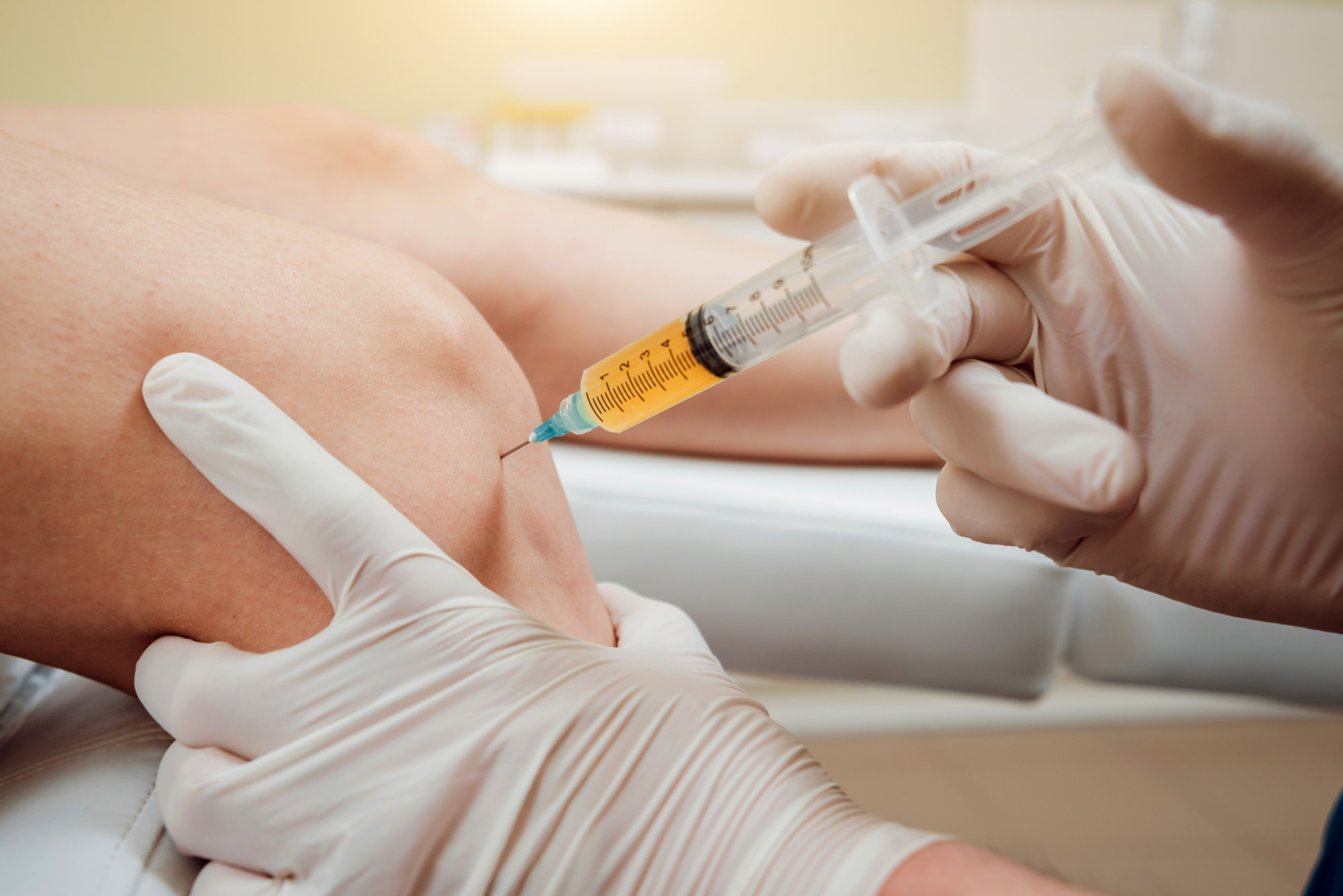
If you are considering PRP, you probably want one clear answer: how long until you feel it working? That question is completely fair, because PRP is not like a freezing injection that changes symptoms the same day. PRP works through your body’s healing response, so the PRP injections timeline tends to unfold in stages. Some people feel mild changes early, others notice improvement later, and most people experience progress in a steady, gradual way rather than a sudden switch.
At UNIKA Medical Centre, we explain the PRP injections timeline in practical terms so you can plan your activity, work demands, workouts, and expectations. PRP is commonly discussed under Orthobiologics (Regenerative Medicine) Injections, and it can support recovery for certain tendon, ligament, and joint concerns when you are a good candidate. The goal of this guide is to show what most people can expect, what changes are normal in the PRP injections timeline, and how to avoid common mistakes that delay results.
What PRP Is And Why The Timeline Is Not Instant
PRP stands for platelet-rich plasma, which comes from your own blood. A clinician draws blood, processes it to concentrate platelets, then injects the PRP into a targeted area. Platelets contain growth factors and signaling proteins that can support tissue repair processes. Because PRP relies on biology and healing cascades, the PRP injections timeline is not immediate and it usually progresses in phases. Many patients describe the early period as “quiet” or “up and down,” then later they notice steadier improvements.
It is also important to understand how PRP is positioned in Canada. Health Canada has communicated that it has not reviewed scientific evidence on PRP safety, efficacy, and quality for any therapeutic uses because it has not received applications to market PRP or conduct clinical trials, and it notes that only certain practitioners are permitted to prepare and administer PRP. This does not mean PRP is never used in clinical practice. It means you should treat PRP as a specialized medical conversation and make decisions based on careful assessment, informed consent, and realistic expectations around the PRP injections timeline.
What People Often Misunderstand About The PRP Injections Timeline
Many people expect PRP to act like a steroid injection, where inflammation drops quickly. PRP does not usually follow that pattern. The PRP injections timeline often includes a short reactive phase first, then a rebuilding phase. You may feel soreness after the procedure, and you may not feel your “real” improvement until later.
Why “Faster” Is Not Always Better
Chasing fast relief can lead to overdoing activity too soon or layering too many treatments at once. That can confuse the picture and slow progress. A better approach is to respect the PRP injection timeline and follow a clear rehab plan that aligns with your tissue and goals.
The Typical PRP Injections Timeline Week By Week
Most PRP plans follow a predictable rhythm, even though people heal differently. In the first few days, you may feel increased soreness or a heavy ache at the injection site. That can be part of the expected response. Over the next few weeks, people often notice small shifts, like less morning stiffness or fewer sharp pain spikes. Around the one to three-month mark, many people report more meaningful functional changes, such as better tolerance for stairs, longer walks, or improved training capacity. This is why clinicians often discuss the PRP injections timeline in terms of weeks and months, not hours and days.
Your starting point matters too. A mild tendon irritation and a long-standing degenerative tendon issue may not move at the same speed. Joint conditions can also vary depending on severity and alignment factors. The best way to predict your PRP injections timeline is to start with an assessment that clarifies what tissue is involved, how irritated it is, and what your daily load looks like. At UNIKA Medical Centre, we often combine PRP planning with Advanced Spine Care if the pain pattern suggests spinal contributors, especially for hip or leg symptoms that mimic joint or tendon pain.
Days 1 To 7: The Reactive Phase
Many people feel localized soreness, tightness, or swelling-like discomfort. This phase can feel discouraging if you expected fast relief, but it can fit within a normal PRP injections timeline. Your clinician may advise activity modification, gentle movement, and avoiding certain anti-inflammatory medications depending on your plan.
Weeks 2 To 6: Early Tissue Response
This is when many patients start noticing small improvements, often in consistency rather than intensity. You might still have flare days, but you may recover from them faster. The PRP injections timeline here often rewards patience and steady rehab progression.
Weeks 6 To 12: Functional Gains Become Clearer
This window is where many people report the best “return on investment.” They can do more with less pain, and they trust the area again. The PRP injections timeline often becomes more obvious when you track function, not only pain.
Months 3 To 6: Consolidation And Long-Term Resilience
Some conditions continue to improve beyond the three-month mark, especially when you follow a progressive strengthening plan. This later stage of the PRP injections timeline is where you protect your gains and reduce future flare cycles.
Factors That Change How Fast PRP Works
The PRP injections timeline depends on more than the injection itself. Tissue type matters. Tendons and ligaments often heal slowly because they have less blood supply than muscle. Joint cartilage has its own limitations. Injury duration matters as well. A problem that has been present for years may still improve, but it may require more time and a stronger rehab plan. This is why a clinician should explain your likely PRP recovery timeline based on your specific case.
Lifestyle factors also influence results. Poor sleep, high stress, inconsistent movement, and high daily strain can slow recovery. So can returning to high-intensity training too quickly, long work shifts on your feet, or repetitive heavy lifting. If pain sensitivity is high, some people benefit from supportive strategies that calm the nervous system.
The Injection Site And Imaging Guidance
Some injections require precision, especially in small tendon spaces. Technique matters. A more accurate injection can support a smoother PRP injections timeline because the PRP reaches the intended tissue.
Your Rehab Plan After PRP
Rehab is not optional. A good plan gives the tissue the right stimulus at the right time. Too little load can stall progress. Too much load can flare symptoms. The PRP injection timeline improves when rehab aligns with the biology.
What You Should Feel After PRP And What You Should Not Ignore
It is common to experience soreness, stiffness, or bruising after PRP. Some people feel “worse before better” for a short period. That can fit within a normal PRP injection timeline. However, severe swelling, fever, drainage, progressive redness, or escalating pain that does not settle should prompt medical follow-up. Your clinic should provide clear aftercare guidance on what to watch for.
You should also track progress in multiple ways. Pain ratings fluctuate. Function tells a clearer story. Track how long you can walk, how many stairs you can climb, how long you can sit, or how your workouts feel at a controlled intensity. The PRP recovery timeline becomes easier to understand when you measure specific tasks.
Normal Aftercare Feelings
Mild soreness, localized ache, temporary stiffness, and mild swelling sensations can occur. Many people notice greater stability before they notice significant pain reduction after the injection.
When To Contact Your Provider
If symptoms are alarming, rapidly worsening, or include signs of infection, contact your provider promptly. Safety always comes first.
Quick PRP Readiness Checklist
The PRP injections timeline improves when you plan ahead. Before you book, confirm you understand what PRP can and cannot do, how long results can take, and what rehab will look like. This protects your time and your outcomes. At UNIKA Medical Centre, we also discuss whether other services may support your goals.
Here is a sample checklist to support a smoother PRP recovery timeline:
- Write down your top three functional goals, like stairs, running, lifting, or sleep.
- List the activities that trigger flares so you can pace them early.
- Plan two to four weeks of modified activity after the injection.
- Ask what rehab timeline your clinician recommends week by week.
- Confirm how you should handle pain medications and supplements after PRP.
- Track function weekly but not daily, so you can see the trend.
- Ask about Uninsured Services if you want clear cost planning before you start.
Why Planning Matters More Than People Think
Many disappointments come from poor planning, not poor biology. When you respect pacing and rehab, the PRP injections timeline often feels smoother and more predictable.
PRP Vs Other Non-Surgical Options
PRP is only one option in a non-surgical plan. Some patients do better with targeted rehab alone. Others benefit from combined approaches. The best approach depends on diagnosis, severity, tissue type, and daily load. The PRP recovery timeline should always be compared to realistic alternatives, including how long each option typically takes to improve function.
At UNIKA Medical Centre, patients sometimes compare PRP with other services in our care ecosystem. For some conditions, Regenerative Medicine Injections may be one part of care, while others explore Non-Invasive HIFU Treatment for different pain concerns, or supportive strategies that regulate pain sensitivity. The key is to match the tool to the tissue and the goals.
When PRP May Make Sense
PRP may be appropriate when the goal is to support local tissue healing in certain tendon, ligament, or joint problems and when conservative care has not achieved sufficient progress.
When Another Option May Fit Better
If pain and other symptoms are not connected to the main mechanical problems, or if the problem is with your spine or nerves, you may need a different plan. Also, if your joint is completely worn off or a tendon is ruptured, PRP will not work.
Why Choose UNIKA Medical Centre
PRP decisions work best when they start with a detailed assessment, realistic education, and a plan you can follow week by week. UNIKA Medical Centre supports patients with clear guidance on the PRP injections timeline, what to expect at each stage, and how to track progress through functional outcomes. We focus on helping you understand your diagnosis, your options, and your pacing so you do not waste time or money on guesswork.
Patients also value that our clinic offers multiple services that can support a broader PRP plan. Depending on your needs, we may discuss Regenerative Medicine Injections, Advanced Spine Care, Non-Invasive HIFU Treatment for other pain concerns, and specialized conversations, such as Ketamine for Pain Management. For financial clarity, ask about Uninsured Services so you can plan confidently before you begin your PRP injections.
Two Helpful Canadian Education Resources
- Health Canada information update clarifying its position on platelet-rich plasma treatments.
- Government of Canada chronic pain resources for education and support tools.
Your Next Step Toward Confident Healing With PRP
If you want a clear plan and a realistic PRP injections timeline tailored to your condition, UNIKA Medical Centre can help. Book a consultation to review your diagnosis, discuss Regenerative Medicine Injections, and build a step-by-step pathway that supports safe progress and measurable outcomes.
Frequently Asked Questions
-
What is the typical PRP injection timeline for noticing improvement?
Many people notice small changes in weeks and clearer functional gains around 6 to 12 weeks after the injection. -
Can the PRP injection timeline include feeling worse at first?
Yes. Soreness, escalation of pain, and swelling may occur in the first week. -
How many PRP sessions affect the PRP recovery timeline?
Your provider may recommend one or a series, depending on the condition. That choice can change the PRP recovery timeline. -
What should I track during the PRP injections timeline?
Track functions like stairs, walking time, and activity tolerance. These show PRP timeline progress better than pain alone. -
Does rehab change the timeline for PRP injections?
Yes. A structured rehab plan can improve outcomes and support a smoother PRP recovery. -
Can I work out after the injection?
You can often do a modified activity, but your clinician should guide timing and progression. -
When should I call the clinic or seek urgent medical advice after the PRP injection?
Call if you develop severe swelling, fever, spreading redness, or escalating pain that does not settle during the first few days.