
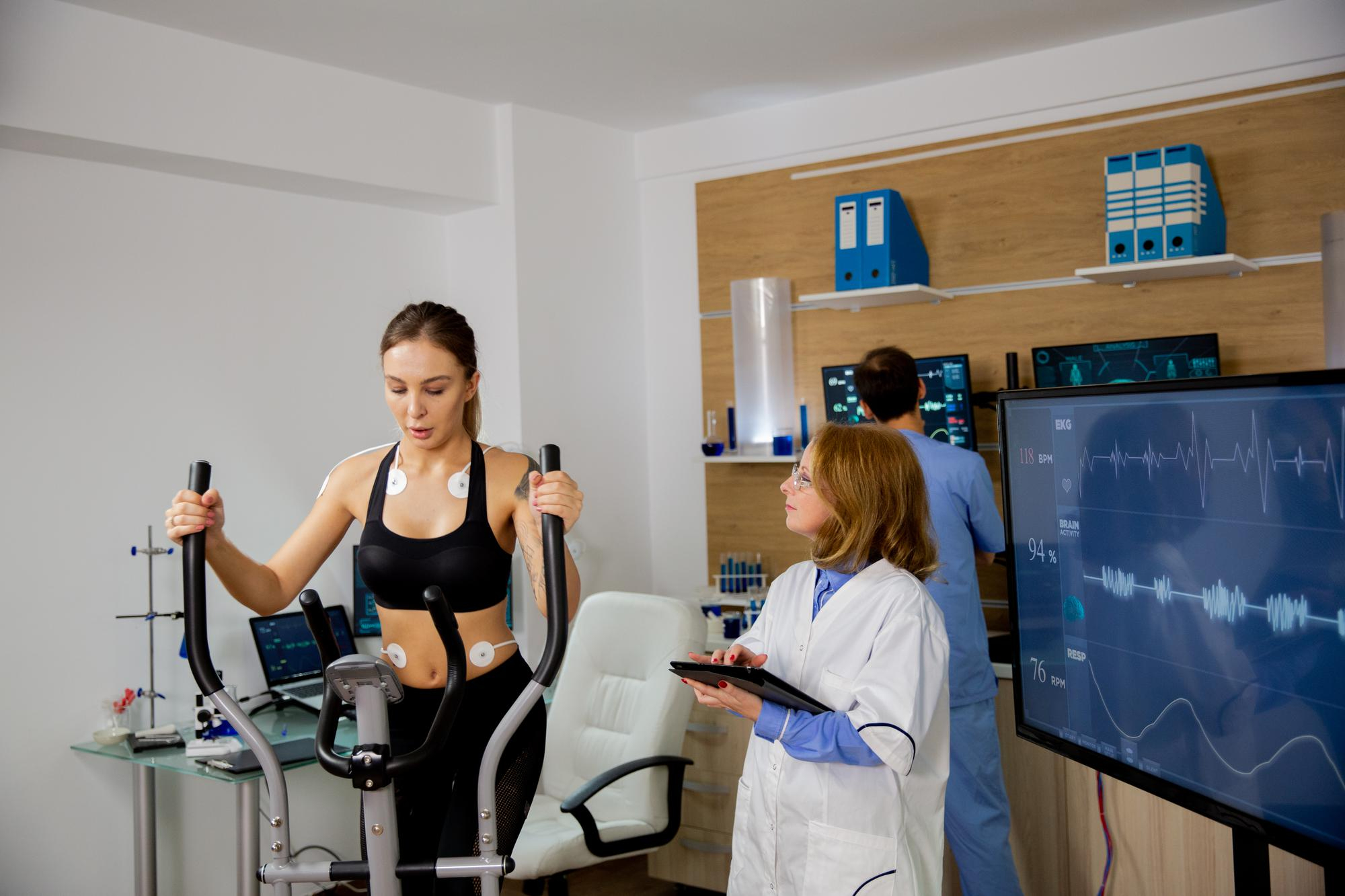
Athletes want two things from injury care: to heal well and to return to form—without shortcuts that risk a setback. That is why interest in orthobiologics for athletes has surged. Instead of masking pain, orthobiologics use components derived from your own body or biologically active materials to support healing. When designed thoughtfully and paired with smart rehab, orthobiologics for athletes can help reduce downtime, protect long-term joint health, and keep training momentum.
At UNIKA Medical Centre, we build integrated care plans that combine diagnostics, image-guided procedures, and progressive rehabilitation. This guide explains what orthobiologics for athletes include, where the evidence is strongest, who may benefit, how treatment fits into a return-to-sport timeline, and how we keep care safe and transparent.
What are orthobiologics?
Orthobiologics are biologically derived treatments used to support the body’s repair processes in bones, tendons, ligaments, cartilage, and muscle. In practical terms, orthobiologics for athletes refer to therapies that can be delivered in a clinic setting and then paired with targeted exercise to improve tissue quality and performance readiness.
Common categories used in orthobiologics for athletes
Platelet-Rich Plasma (PRP)
Concentrated platelets from your own blood are injected into the injured site under ultrasound guidance. Platelets release growth factors that may support tendon and ligament healing. Among orthobiologics for athletes, PRP has the most real-world experience for conditions like tennis elbow and patellar tendinopathy.
Bone Marrow Aspirate Concentrate (BMAC)
BMAC contains a mix of cells and signaling molecules harvested from bone marrow (usually the pelvis). Some programs use it for cartilage or complex tendon injuries. Evidence continues to evolve; decisions are individualized.
Micro-fragmented adipose tissue (MFAT)
Processed fat tissue provides a scaffold with signaling activity. It’s sometimes considered for joint pain in active adults. As with other orthobiologics for athletes, we weigh potential benefits against the investigational nature of some uses.
Hyaluronic acid (HA) viscosupplementation
HA is a lubricant for arthritic knees. It is not a “classic” orthobiologic, but many return-to-play plans include it to reduce joint friction while rehab restores strength and capacity.
Prolotherapy and dextrose injections
Hypertonic dextrose may stimulate local healing responses at tendon and ligament insertions. It occupies a niche in orthobiologics for athletes where stability and pain modulation are the primary goals.
Important note: some applications remain investigational in Canada. When we discuss orthobiologics for athletes, we share what is known, what is promising, and where clinical trials are still answering key questions. For general information on clinical trials and how they are overseen nationally, see Health Canada’s overview of clinical trials and public guidance: Clinical trials and drug safety – Canada.ca.
How orthobiologics may help athletes heal
The three big mechanisms
-
Signal modulation: Growth factors and cytokines can nudge cells toward repair instead of chronic inflammation.
-
Scaffold support: Some injectates provide a micro-environment that helps tissue organize as it heals.
-
Pain and function: By calming nociceptive input and improving tissue quality, orthobiologics for athletes can make loading drills and strength work more tolerable.
Where evidence is most encouraging
-
Tendinopathies (lateral epicondylalgia, jumper’s knee, Achilles tendinopathy): PRP shows the most promise when combined with structured loading programs.
-
Early knee osteoarthritis in active adults: HA and, in selected cases, PRP may support symptoms so athletes can maintain training volumes appropriate for their joint health.
-
Partial ligament sprains (MCL, ATFL) and muscle tears: image-guided biologic support plus rehab may reduce time to confident cutting and sprinting.
The thread that ties all cases together: orthobiologics for athletes work best when the injectate is paired with exactly the right dose of movement.
Is every athlete a candidate?
Ideal profiles for orthobiologics for athletes
- Clear, image-correlated diagnosis (e.g., mid-portion Achilles tendinopathy)
- Plateaued despite well-designed rehab
- Strong buy-in for 8–12 weeks of progressive loading after the procedure
- Desire to minimize reliance on painkillers or repeated corticosteroid injections
When we recommend other paths first
- Acute full-thickness tears requiring surgical repair
- Advanced osteoarthritis where joint replacement may be more predictable
- Poor sleep, unmanaged stress, or low energy availability—these reduce the gains from orthobiologics for athletes; we address them early
Safety, regulation, and informed choice in Canada
Patient safety drives every decision. Orthobiologic procedures at UNIKA Medical Centre follow strict protocols: sterile technique, ultrasound guidance, conservative dosing, and clear stop rules. We also discuss the investigational status of certain uses so expectations remain realistic and informed.
For sport safety education, especially concussion—a frequent companion to musculoskeletal injury—consult the Public Health Agency of Canada’s resources for athletes, coaches, and families: Concussion: sport and recreation – Canada.ca. These federal tools complement our clinic guidance and help teams build safer training environments.
The UNIKA approach: from diagnosis to return-to-performance
Step 1: Precise assessment
- Sport-specific history and movement analysis
- Ultrasound and, when indicated, MRI review
- Load tolerance testing to pinpoint provocative patterns
Step 2: Shared decision-making
We outline rehab-only paths, injection options, timelines, and costs. In orthobiologics for athletes, choice is a collaboration. You’ll know the pros, cons, and unknowns before a needle ever touches skin.
Step 3: Image-guided treatment
- PRP, HA, or other selected orthobiologic delivered under ultrasound
- Targeting the exact portion of the tendon or joint that matches symptoms and imaging
Step 4: Integration with rehab
- 48–72 hours of relative rest
- Week-by-week loading progressions (isometrics → eccentrics → plyometrics → sport change-of-direction)
- Metrics we track: pain during and after load, strength symmetry, jump or sprint KPIs, and session RPE
Step 5: Return-to-sport criteria
- Pain ≤ 2/10 with sport-specific drills
- Symmetry ≥ 90–95% on strength and hop testing
- Confidence scores trending up for two consecutive weeks
Research on orthobiologics for athletes continues to evolve. Meta-analyses suggest PRP can outperform saline or corticosteroid injections for several tendinopathies at mid-term follow-up when paired with structured rehab. HA is mainly symptom-supportive in knee OA and can be useful for active adults trying to maintain movement while strengthening. BMAC and MFAT show potential for complex cases but require more high-quality trials to define when, how much, and for whom. Across modalities, the consistent finding is this: protocols that pair the biologic with appropriate loading beat protocols that rely on injection alone.
To stay informed about ongoing Canadian trials and how they are managed, you can review Health Canada’s clinical-trials resources noted earlier. For sport-injury prevention and return-to-play education, the Public Health Agency of Canada’s concussion pages provide up-to-date tools for athletes and teams (see link above).
What to expect on procedure day
-
Arrival and pre-check: Vital signs, medication review, and final consent.
-
Ultrasound mapping: We confirm target tissues and mark safe windows.
-
Procedure: A small blood draw for PRP (if used), then sterile, ultrasound-guided injection—typically 15–30 minutes.
-
Observation: Short recovery and home instructions. You will avoid high-impact activity for several days.
-
Follow-up: We schedule rehab touchpoints and a re-assessment at 2–3 and 6–8 weeks.
Training while you heal: how to keep fitness without re-injury
Conditioning that respects the injury
-
Lower-limb tendon issues: prioritize cycling, pool running, or elliptical while you rebuild plyometric tolerance.
-
Hamstring strains: emphasize trunk anti-rotation, hip extension patterns, and gradual return to sprint mechanics.
-
Shoulder pain: program sled pushes, lower-body strength, and scapular control work before overhead return.
Nutrition, sleep, and load
-
Aim for adequate protein (spread across the day), simple hydration rules, and at least seven hours of sleep. Recovery biology matters; it also makes orthobiologics for athletes more effective.
10 coachable habits that accelerate recovery
- Change only one training variable at a time.
- Track pain during load and 24-hour “echo” pain; share the pattern.
- Warm up until you feel ready, not just warm.
- Keep two mobility drills you actually like; consistency > novelty.
- Use isometrics to calm tendon pain before skill sessions.
- Film one key movement weekly—compare angles, not feelings.
- Stack habits: hydration with morning mobility, protein with rehab.
- Plan deload weeks, not rest days alone.
- Sleep with a wind-down ritual, not a screen.
- Celebrate 1% wins—small progress compounds.
These micro-habits make orthobiologics for athletes more likely to translate into durable performance.
Cost, coverage, and timelines
Most orthobiologics for athletes are not covered by provincial health plans. Some extended benefits cover the assessment, ultrasound, and rehabilitation components. A typical timeline looks like this:
-
Weeks 0–2: Symptom quieting, isometrics, and gentle mobility
-
Weeks 3–6: Eccentric and heavy-slow resistance; HA or PRP effects often most noticeable here
-
Weeks 6–10: Plyometrics and controlled change-of-direction
-
Weeks 10–12+: Return to scrimmage or competition if criteria are met
Remember, timelines vary by tissue and history. We adapt the plan, not your body to the plan.
Why Choose UNIKA Medical Centre
Integrated experts under one roof
Sports medicine physicians, sonographers, physiotherapists, and strength coaches coordinate your file. That means orthobiologics for athletes are never “just an injection”—they’re part of a coherent path.
Image-guided precision and conservative dosing
Every injection uses ultrasound guidance. We favour the smallest effective dose and stop when metrics say you’re ready, not when a package runs out.
Transparent evidence and shared decisions
You’ll receive plain-language summaries of benefits and uncertainties for all orthobiologics for athletes options. If the evidence is mixed for your case, we tell you—and we suggest proven alternatives.
Performance-anchored rehab
We measure what matters: jump height, sprint timing, strength symmetry, practice availability. Your plan advances when the numbers do.
Safety and informed consent
We follow strict procedural and follow-up protocols and coordinate with your team or employer as needed. Education comes first; consent is an ongoing conversation.
Step-by-step: your first visit to your first game back
-
Book a performance-focused assessment. Bring prior imaging and your training log.
-
Decide on the path. Rehab only, orthobiologics for athletes, or a hybrid approach.
-
Treat and integrate. Image-guided procedure, then a two-week build of load tolerance.
-
Test and refine. We adjust drills until capacity matches sport demands.
-
Return and protect. Ongoing micro-progressions reduce the risk of recurrence.
Frequently Asked Questions:
1) Which injuries respond best to orthobiologics for athletes?
Tendinopathies (patellar, Achilles, tennis elbow) and some partial ligament sprains show the most consistent gains, especially when orthobiologics for athletes are paired with structured loading.
2) How long before I can train hard after orthobiologics for athletes?
Most athletes resume controlled strength work within days and begin progressive impact over 3–6 weeks. Full competition depends on meeting objective criteria, not a fixed calendar.
3) Are orthobiologics for athletes safe?
Complications are uncommon when performed with sterile, image-guided technique. Temporary soreness is typical. We screen for factors that may reduce benefit or increase risk.
4) Are orthobiologics for athletes covered by insurance?
Provincial plans rarely cover injectates. Some extended benefits cover consults, ultrasound, and rehab. We provide detailed receipts and cost estimates up front.
5) Do orthobiologics for athletes replace rehab?
No. Outcomes are best when the biologic simply enables you to complete the right exercises at the right times. Injection without loading rarely sustains gains.
6) How many sessions will I need with orthobiologics for athletes?
Many cases involve a single PRP or HA session plus a 10–12-week rehab plan. Complex injuries may require staged care. We stop when function goals are met.
7) What evidence supports orthobiologics for athletes?
Research is strongest for PRP in certain tendinopathies and symptom relief in early knee OA with HA. Other uses are promising but still under study; we explain the strength of evidence for your case.
A smarter path back to sport
You don’t have to choose between “push through” and “shut it down.” With the right diagnosis, targeted rehab, and carefully selected orthobiologics for athletes, you can protect performance now and joint health later. If you’re ready for a plan that respects your sport and your long-term goals, book a comprehensive assessment with UNIKA Medical Centre. We’ll map your injury, weigh options together, and build a clear, data-driven path back to the game you love.