
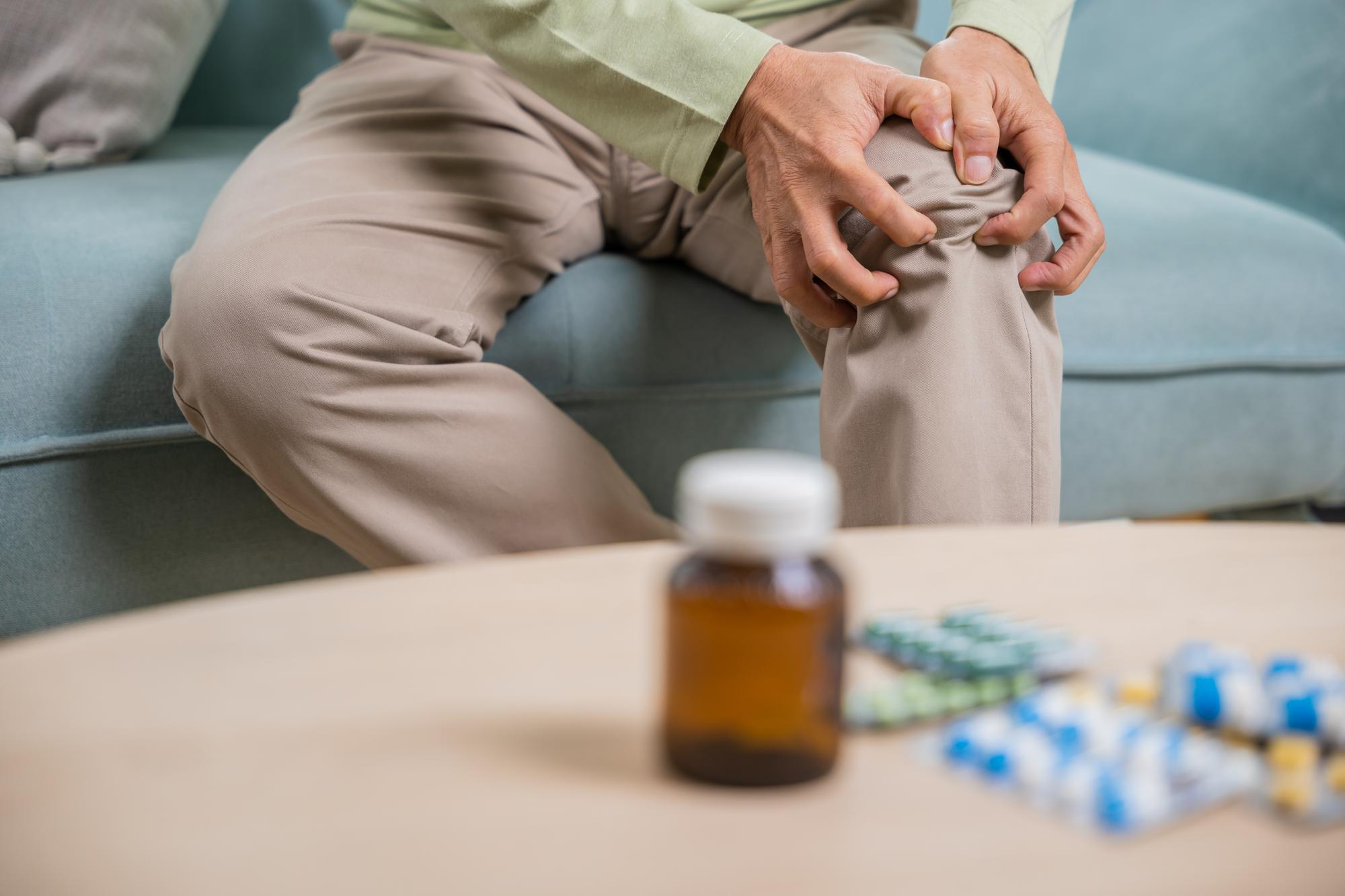
Chronic pain steals more than comfort—it erodes sleep, focus, and the joy of ordinary moments. If you’ve cycled through medications, injections, and months of therapy with only partial relief, you may be wondering what else is possible. Over the last decade, interest has grown around ketamine for pain—an older anesthetic being re-examined in carefully selected, sub-anesthetic doses for hard-to-treat pain.
At UNIKA Medical Centre, we use a measured, evidence-informed approach that places patient safety, function, and quality of life at the centre. This guide explains how ketamine for pain may help, who it’s for, what to expect before and after treatment, and how it fits inside a broader, integrative plan rather than standing alone. Along the way, we’ll anchor claims in up-to-date Canadian resources and outline a pragmatic pathway to help you decide whether ketamine for pain makes sense for your situation.
Ketamine for pain, explained
What ketamine is (and what it isn’t)
Ketamine is a dissociative anesthetic with decades of use in operating rooms and emergency departments. In chronic pain care, clinicians sometimes use much lower, sub-anesthetic doses of ketamine for pain to reduce central sensitization—the “volume knob” effect where the nervous system amplifies pain signals. Unlike opioids, ketamine for pain primarily modulates NMDA receptors and downstream glutamatergic signalling, which can interrupt entrenched pain loops and, in some cases, lower opioid requirements.
How it may reduce pain
- Central desensitization: Sub-anesthetic ketamine for pain can dampen hyperexcitable spinal and cortical pathways that maintain chronic pain.
- Anti-hyperalgesia: By modulating NMDA activity, ketamine for pain may decrease “wind-up,” the phenomenon where repeated stimuli feel increasingly painful.
- Mood and pain: Because mood, sleep, and pain are intertwined, the rapid mood-brightening some patients report after ketamine for pain can indirectly reduce perceived pain and avoidance behaviours.
What conditions are considered
Clinicians typically evaluate ketamine for pain in refractory neuropathic syndromes (e.g., complex regional pain syndrome), mixed nociplastic conditions with central sensitization, certain post-surgical pain states, and selected cancer-related pain scenarios—when standard care has fallen short and risks are acceptable.
Where ketamine for pain fits in modern care
Not first-line—and not a cure
For most people, best outcomes come from layered strategies: education, pacing and graded activity, targeted physiotherapy, sleep support, and appropriate medications. Ketamine for pain is a tool, not a silver bullet. We deploy it when the expected benefit of “unlocking” a stuck pain pattern outweighs the risks and when the person has support to convert short-term relief into long-term function.
Potential benefits (and their limits)
- Rapid symptom relief for a subset of patients—minutes to days—offering a window to re-engage with rehab.
- Opioid-sparing potential in some scenarios, helping reduce dose or side effects.
- Variable duration: Response can last days to weeks (occasionally longer) and may require re-dosing. Many people need a maintenance and reinforcement plan so gains persist.
How ketamine for pain is delivered
Care settings and routes
-
Intravenous infusions: The most studied approach in specialty clinics; dosing is individualized and titrated with continuous monitoring.
-
Other routes: Intranasal, oral, or subcutaneous protocols exist but are less standardized for chronic pain. Any route of ketamine for pain should be overseen by trained clinicians with cardiac and mental-status monitoring and a plan for side effects.
What a typical visit looks like
- Pre-session check: Blood pressure, heart rate, medication review, and pre-treatment counselling.
- Monitored dosing: Low, carefully titrated dosing of ketamine for pain with clinician oversight.
- Recovery period: Observation until you meet discharge criteria; you’ll need a ride home and should avoid important decisions for the rest of the day.
- Integration: Within 24–72 hours, we pair any symptom relief from ketamine for pain with graded activity, physiotherapy progressions, and sleep hygiene to consolidate gains.
Safety, side effects, and contraindications
Common, usually short-lived effects
- Transient increases in blood pressure or heart rate
- Nausea or dizziness
- Dissociation (feeling detached), blurred vision, or mild headache
- Fatigue the day after treatment
Less common but important
- Anxiety or unpleasant perceptual changes during dosing
- Worsening of uncontrolled psychosis or mania in at-risk individuals
- Rare urologic symptoms with frequent or high cumulative exposures
Who may not be a candidate
Uncontrolled hypertension, certain cardiac conditions, active psychosis, pregnancy, or a history of adverse reactions to ketamine warrant caution or avoidance. Decisions about ketamine for pain are individualized and made jointly after a detailed risk–benefit discussion.
What the evidence says (and what it doesn’t)
The research base for ketamine for pain is growing but heterogeneous—different doses, durations, routes, and patient populations make “one-size” conclusions difficult. Some randomized trials and systematic reviews show short-term benefits for neuropathic pain and complex regional pain syndrome; perioperative studies suggest sub-anesthetic IV ketamine may lower the risk of chronic post-surgical pain in certain contexts, though recommendations are often graded as weak to moderate.
For national context on chronic pain burden and resource navigation in Canada, Health Canada’s chronic pain hub provides ongoing updates and links to educational support.
Health Canada’s page on ketamine outlines its status as an anesthetic and a controlled substance, reinforcing why protocols, monitoring, and clinician oversight are essential when considering ketamine for pain in any setting.
How UNIKA Medical Centre evaluates candidates
Step-by-step pathway
- Comprehensive intake: We map your pain history, flares, function, sleep, mood, medications, and prior responses.
- Screening and baselines: Cardiovascular assessment, mental-health screening, and validated pain/functional scales.
- Shared decision-making: We weigh alternatives (nerve blocks, spinal interventions, multidisciplinary rehab) against potential benefits of ketamine for pain.
- Trial protocol: If appropriate, a tightly monitored, time-limited series is scheduled.
- Integration and metrics: Rehabilitation, pacing, and sleep strategies amplify any benefit; we track change with objective measures and adjust the plan.
When we say “not yet”
If red-flag health issues or medication interactions raise risk, we stabilize those first. In many cases, optimizing sleep, movement, and non-ketamine pharmacotherapy unlocks progress without needing ketamine for pain.
Comparing ketamine for pain to other options
Pharmacologic comparators
- SNRIs (e.g., duloxetine) and TCAs: Useful for neuropathic patterns; slower onset but durable in responders.
- Gabapentinoids: Helpful for some radicular and neuropathic presentations; sedation can limit dose.
- Lidocaine infusions: Another hospital-based option for neuropathic pain in selected cases.
- Opioids: Short-term analgesia at a cost of tolerance and side effects; often de-emphasized in modern chronic pain strategies.
Non-pharmacologic pillars
- Graded exercise therapy and physiotherapy
- Cognitive behavioural and acceptance-based approaches
- Sleep optimization and pacing
- Neuromodulation techniques (TENS, rTMS in specific contexts)
Ketamine for pain is considered when these pillars are in place but insufficient—and even then, only as part of an integrated plan.
Preparing for a ketamine for pain session
The week before
- Maintain consistent sleep and hydration.
- Avoid alcohol and recreational substances.
- Confirm medication timing with your clinician (especially benzodiazepines and stimulants).
The day of
- Light meal two to three hours beforehand.
- Arrange a ride home; no driving or major decisions the rest of the day.
- Bring calming music or breathing exercises—comfort supports can smooth the experience.
Aftercare
- Expect to feel tired; prioritize rest and gentle movement.
- Start your “integration window” within 24 hours: short walks, breathing drills, and your rehab routine.
- Log symptoms, function, and mood so we can adjust the plan.
Nine ways to convert short-term relief into long-term gains
- Pair each infusion with a physiotherapy session within 48–72 hours.
- Use a simple pacing rule (e.g., “move to 7/10 effort, stop at 8/10”).
- Lock in a steady sleep–wake schedule for two weeks post-series.
- Keep a three-line daily journal: pain, function, one win.
- Avoid drastic changes to meds unless coordinated with your clinician.
- Re-introduce one meaningful activity at a time (cooking, short commute).
- Practice five minutes of diaphragmatic breathing morning and night.
- Ask a trusted friend to be your “integration buddy” for accountability.
- Book follow-up before you feel stuck, not after.
These practices help ensure ketamine for pain translates into tangible improvements.
Risks, regulations, and Canadian context
Ketamine is a controlled substance in Canada and must be handled and administered under regulated conditions. Health Canada maintains education pages about chronic pain supports and about ketamine’s status as a controlled drug; clinicians also follow programmatic guidance (e.g., Special Access Program pathways when applicable) for drugs not sold in Canada for specific indications. These resources are helpful reading as you consider options with your care team.
Why Choose UNIKA Medical Centre
Multidisciplinary, coordinated care
Your team may include a pain physician, nurse, physiotherapist, psychologist, and pharmacist. This integration means ketamine for pain—if used—fits seamlessly with rehab, sleep strategies, and behavioural supports.
Safety-first protocols
We use hospital-grade monitors, defined inclusion/exclusion criteria, and clear stop rules. Every course of ketamine for pain is time-limited and paired with functional goals so benefits are measurable.
Personalized plans, not templates
Dosing, frequency, and route are tailored to your health profile and response. If the data aren’t moving, we pivot—sometimes away from ketamine for pain—because your outcomes matter more than any single tool.
Education and aftercare
You’ll leave with a written plan for the 14 days after each session—how to pace activity, progress exercises, and manage sleep—so the impact of ketamine for pain has the best chance to last.
What to expect in the first 30 days
- Week 1: Orientation, baseline metrics, and (if indicated) first exposure to ketamine for pain with gentle activity goals.
- Week 2: Rehab intensification while we watch for sustained gains or side effects.
- Weeks 3–4: Data review and decision point—continue, taper, pause, or shift strategies based on function and personal goals.
Practical questions about access and coverage
Coverage for ketamine for pain varies by plan and province. Some private insurers consider case-by-case requests when provided with clinical rationales and objective outcomes. Our team supplies detailed notes and collaborates with your primary care provider to streamline communication.
Further learning: Canadian public resources
- Health Canada’s chronic pain hub with education and links to supports, including virtual tools for self-management.
- Health Canada’s page on ketamine as a controlled substance and safe-use considerations.
A thoughtful path forward
Hope in chronic pain care looks like options, agency, and data-guided decisions. For a carefully selected subset of people, ketamine for pain can create the breathing room needed to re-enter life—provided it’s delivered safely, measured honestly, and integrated with the fundamentals of rehabilitation and recovery.
If you’re ready to explore whether ketamine for pain belongs in your plan, book a comprehensive assessment with UNIKA Medical Centre. We’ll review your history, map evidence-based options, and, together, chart a path that balances relief, safety, and momentum.
Frequently Asked Questions: Ketamine for pain
1) What makes ketamine for pain different from opioids or other pain pills?
Ketamine for pain works mainly by modulating NMDA receptors and central sensitization, not by activating opioid receptors. That difference can help certain neuropathic or nociplastic pain patterns that didn’t respond to standard medications.
2) How quickly might I feel results with ketamine for pain?
Some people notice changes during or within 24–72 hours of an infusion; others require a short series. The window created by ketamine for pain is used to accelerate rehab and sleep improvements for longer-term gains.
3) How long do the benefits of ketamine for pain last?
Duration varies—days to weeks for many, sometimes longer in responders with strong integration (activity pacing, physiotherapy, sleep). We reassess function at 2–4 weeks to plan next steps.
4) Is ketamine for pain safe for everyone?
No. Certain heart conditions, uncontrolled hypertension, active psychosis, pregnancy, or problematic reactions in the past may rule it out. Screening helps us decide whether ketamine for pain is a good fit.
5) Will ketamine for pain let me reduce other medications?
Possibly. In responders, ketamine for pain can enable dose reductions (including opioids), but changes happen gradually and only under clinician supervision.
6) Do I have to commit to ongoing infusions of ketamine for pain?
Not necessarily. Many people try a time-limited series and then reassess based on functional metrics. If benefits fade, we might schedule boosters or pivot to other strategies.
7) Can I work the day after ketamine for pain?
Most patients plan a light day after treatment and resume normal routines within 24 hours. Avoid driving or major decisions on the day of dosing; follow your personalized guidance for activity ramp-up.