
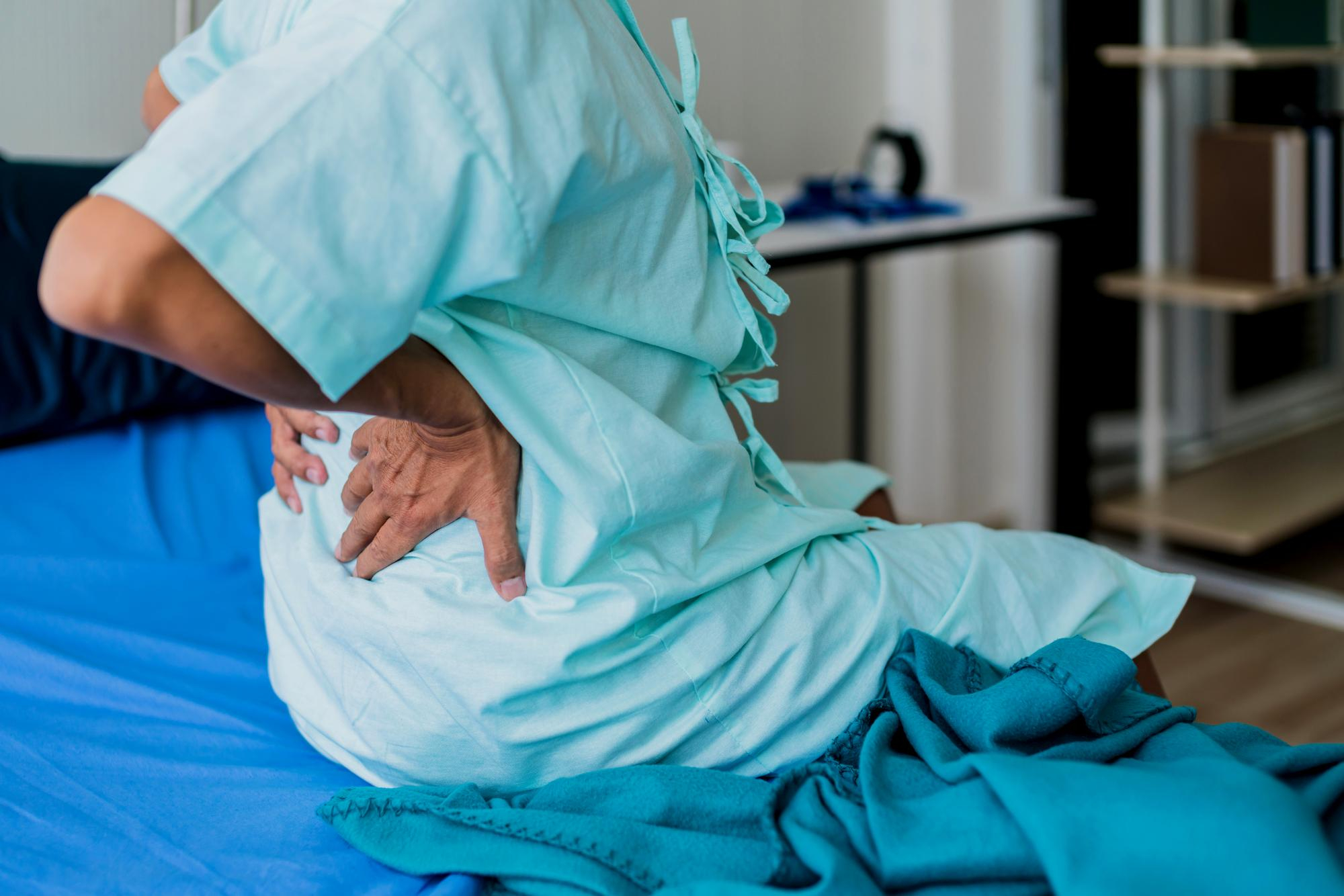
Chronic lower back pain can make life feel smaller. It can limit sleep, focus, work, exercise, and even simple tasks like tying shoes or carrying groceries. If you have been living in that loop, you have options that do not require surgery. The best outcomes usually come from pairing a clear diagnosis with a step-by-step plan you can follow, measure, and adjust over time.
At UNIKA Medical Centre, we help patients explore non surgical lower back pain solutions that fit their symptoms, daily demands, and comfort level. This guide explains what causes ongoing back pain, which conservative treatments tend to help most, and what to expect as you progress. You will also see where related services such as Advanced Spine Care, Non-Invasive HIFU Treatment, Orthobiologics (Regenerative Medicine) Injections, and Uninsured Services can support a personalized pathway.
Why Chronic Lower Back Pain Persists
Chronic lower back pain often continues because the root driver does not get addressed early. Pain can come from joints, discs, muscles, ligaments, or nerves, and many people have more than one contributor. You might get temporary relief from rest, heat, or stretching, then symptoms return when you sit too long, lift awkwardly, or increase activity too quickly. That is why non surgical lower back pain care works best when it targets both the pain source and the movement patterns that keep provoking it.
Chronic pain can also change how your nervous system processes signals. Over time, the body can become more protective, and normal inputs like bending, walking, or sitting can feel more threatening than they should. This does not mean the pain is imaginary. It means your system has learned to stay on high alert. Government of Canada resources explain that chronic pain can affect daily life and that support and self-management resources exist for people living with persistent pain.
Acute Vs Chronic Back Pain
Acute pain often follows a recent strain and improves as tissues settle. Chronic pain lasts longer and often includes sensitivity, fear of flare-ups, and deconditioning. Non surgical lower back pain treatment focuses on restoring confidence in movement while improving strength and control.
Common Triggers That Keep Flares Going
Long sitting, inconsistent activity, poor sleep, stress, weak trunk endurance, stiff hips, and repetitive lifting commonly drive flare cycles. Non surgical lower back pain strategies aim to reduce these triggers without forcing you to stop living your life.
Step One Is Always A Clear Assessment
Many people try random exercises, devices, and supplements because they want relief fast. But non surgical lower back pain outcomes improve when your plan matches your pain pattern. Back pain can be mechanical, nerve-related, inflammatory, or a mix. A good assessment clarifies where pain starts, what makes it worse, what makes it better, and how it affects function. It also screens for red flags and checks whether the spine, hips, or nerves appear involved. When you know what you are treating, you stop wasting energy on methods that do not fit.
At UNIKA Medical Centre, we use an assessment-first approach so your non surgical lower back pain plan is built on real findings, not guesswork. If symptoms include leg tingling, numbness, weakness, or pain that travels below the knee, we may recommend a pathway through Advanced Spine Care to evaluate nerve involvement and guide safe progression. A clear assessment also helps set expectations, because non-invasive lower back pain improvement often comes in stages, not overnight.
Signs You May Need A Spine-Focused Workup
Pain shooting down one leg, weakness, altered sensation, pain that changes with coughing or bending, and symptoms that worsen in certain spine positions often call for spine screening. Non surgical lower back pain care can still work very well, but the plan should reflect nerve sensitivity when it exists.
Why Imaging Is Not Always The First Move
Imaging can help in certain cases, but many people have age-related changes on scans that do not match symptoms. A strong non-invasive lower back pain plan uses imaging when it will change the decision-making, not as an automatic step.
The Core Non Surgical Lower Back Pain Treatment Plan
Most people do best with a layered plan. That means calming symptoms enough to move, then using movement to build resilience and reduce future flare-ups. The foundation usually includes education, paced activity, targeted rehab, and lifestyle adjustments that lower daily strain. For many patients, the most powerful non surgical lower back pain strategy is a progressive strengthening plan that restores trunk endurance, hip strength, and movement control.
A good non-invasive lower back pain plan also includes flare management. That might mean adjusting how long you sit, switching to shorter walks, changing lifting technique, or using short-term symptom tools while you stay active. If you only chase relief, pain often returns. If you only train hard, pain can flare. The sweet spot is a steady, progressive plan with clear checkpoints.
Movement Therapy And Progressive Rehab
Rehab often focuses on core endurance, glute strength, hip mobility, and control during everyday tasks like bending and lifting. Non surgical lower back pain improves when you train the body to share load better, instead of dumping stress into one irritated area.
Manual Therapy As A Support Tool
Hands-on care can reduce stiffness and improve mobility, especially early on. It works best when paired with active rehab, because movement helps maintain gains and supports long-term non surgical lower back pain improvement.
What “Progress” Looks Like In Rehab
Progress often shows up as longer sitting tolerance, fewer sharp spikes, steadier walking, better sleep, and faster recovery after activity. Tracking function makes non surgical lower back pain progress easier to see.
Everyday Habits That Speed Up Recovery
Your daily inputs matter as much as your clinic care. Sitting posture, lifting habits, workstation setup, sleep routines, and stress load can either reinforce pain cycles or support healing. Many people improve non surgical lower back pain outcomes by reducing repetitive micro-strain, taking movement breaks, and learning safer ways to lift and carry. Small changes, repeated consistently, often beat big changes that you quit after a week.
Government of Canada workplace safety education highlights that repetitive lifting and awkward carrying can increase back injury risk and describes prevention strategies, including safer lifting sequences. Even if you do not lift at work, these principles apply to home life, especially laundry baskets, groceries, kids, and yard work. Using prevention habits helps protect non-invasive lower back pain progress once you start feeling better.
Sleep And Stress Affect Pain Sensitivity
Poor sleep increases sensitivity and slows recovery. High stress often increases muscle tension and disrupts breathing patterns. A strong non surgical lower back pain plan protects sleep and builds calming routines, especially on flare days.
Sitting, Standing, And Movement Breaks
If sitting triggers symptoms, do not try to “power through” for hours. Break it up with short walks, gentle mobility, or posture resets. This pacing approach often reduces flare intensity and supports non-invasive lower back pain recovery.
A Simple Sitting Rule That Helps
Try a 30 to 45 minute reset. Stand, walk, or stretch lightly for one to two minutes, then sit again. This can reduce non surgical lower back pain triggers without disrupting your day.
Non Surgical Lower Back Pain Options Beyond Basic Rehab
Some patients need more than the basics, especially if pain persists despite consistent rehab and lifestyle adjustments. This is where advanced, non-surgical options may become part of the conversation. The key is to treat these options as part of a plan, not a standalone fix. When you pair advanced options with rehab and pacing, non surgical lower back pain outcomes are often more stable and longer lasting.
At UNIKA Medical Centre, patients may ask about Non-Invasive HIFU Treatment for certain pain concerns and whether it fits their diagnosis and goals. Others explore Orthobiologics (Regenerative Medicine) Injections when tendon, ligament, or joint factors play a role, and when a clinician believes an orthobiologic approach may be appropriate for the condition. These options should always come with clear expectations, safety screening, and a follow-up plan that supports non-invasive lower back pain improvement over time.
When Non-Invasive HIFU Treatment Might Be Discussed
Non-Invasive HIFU Treatment may come up when a patient wants non-surgical options and the clinical picture suggests it could support the broader plan. Your clinician should explain what it is designed to do, who it fits, and what progress should look like.
When Orthobiologics May Be Considered
Orthobiologics (Regenerative Medicine) Injections may be discussed when tissue healing support becomes a goal for certain joint or soft tissue conditions. Your clinician should clarify suitability, limitations, and how it fits within non surgical lower back pain rehab.
Why “The Right Candidate” Matters
Advanced treatments are not universal solutions. The right candidate has the right diagnosis, the right goals, and a plan to support recovery. This approach keeps non surgical lower back pain care realistic and measurable.
A Practical Weekly Plan You Can Start With
Non surgical lower back pain improvement usually comes from doing the basics consistently. The goal is not to do everything. The goal is to do the right few things regularly and adjust based on response. Start with paced movement, a short rehab routine, and daily trigger reduction. Track one or two function markers, like walking time, sitting tolerance, or morning stiffness.
Here is a list you can use as a starter routine for non-invasive lower back pain:
- Take two to five short movement breaks on sitting-heavy days.
- Walk in short bouts and build gradually, even if you start with five minutes.
- Do a short daily core endurance routine that does not spike symptoms.
- Practice hip hinge technique during light lifting tasks at home.
- Protect sleep with a consistent bedtime and a wind-down routine.
- Track one weekly function goal, like stairs, walking time, or desk tolerance.
- Reduce flare triggers by pacing chores across the week instead of one heavy day.
If cost planning is part of your decision, ask about Uninsured Services so you can understand what options fit your budget. A clear plan reduces uncertainty and helps you stay consistent, which is essential for non surgical lower back pain progress.
When To Stop Self-Treating
If symptoms persist beyond several weeks, repeatedly flare, disrupt sleep, or include leg numbness, tingling, or weakness, seek a clinical assessment. Non surgical lower back pain care works best when the plan matches the real driver.
How Fast Should You Expect Improvement
Many people notice small wins within a few weeks, like better mornings or fewer spikes. Bigger function gains often build over one to three months with consistent non surgical lower back pain rehab.
Why Choose UNIKA Medical Centre
Chronic lower back pain can involve multiple contributors, and that is why assessment and planning matter. UNIKA Medical Centre supports patients with an organized, assessment-first approach that helps clarify pain drivers, reduce flare triggers, and build a plan that matches real life. We focus on practical non surgical lower back pain care that you can track and adjust, rather than vague advice that leaves you guessing.
We also offer services that can support your pathway when appropriate. Depending on your symptoms, we may recommend Advanced Spine Care for spine-related contributors, discuss Non-Invasive HIFU Treatment for certain pain concerns, or review Orthobiologics (Regenerative Medicine) Injections when tissue-specific support becomes part of the plan. If you need clarity on budgeting and access, Uninsured Services can help you plan care with confidence. The goal is to help you move better, feel safer in your body, and build momentum with non surgical lower back pain recovery.
Start Your Recovery Plan Today With Surgery-Free Back Pain Solutions
You do not have to accept chronic back pain as your new normal, and you do not have to jump straight to surgery to take meaningful steps forward. A structured plan that combines the right diagnosis, progressive rehab, smart pacing, and supportive options can deliver real improvement over time. When you treat non surgical lower back pain like a measurable process, you can reduce setbacks and rebuild confidence in daily movement.
If you want a clear pathway for non surgical lower back pain, UNIKA Medical Centre can help. Book a consultation to discuss your symptoms, identify contributing factors, and build a personalized plan that supports comfort, function, and long-term resilience. Ask about Advanced Spine Care, Non-Invasive HIFU Treatment, Orthobiologics (Regenerative Medicine) Injections, and Uninsured Services if you want to understand how these services may fit your next steps.
Frequently Asked Questions
- What is the best first step for non surgical lower back pain?
Start with an assessment and a paced rehab plan. Non surgical lower back pain improves faster with clear diagnosis. - Does walking help non surgical lower back pain?
Walking often helps non surgical lower back pain when you pace it and build time gradually. - Should I rest during a flare of non surgical lower back pain?
Brief rest can help, but return to gentle movement quickly. Too much rest can slow non surgical lower back pain progress. - How long does non surgical lower back pain treatment take to work?
Many people see early wins in weeks. Stronger non surgical lower back pain gains often build over 6 to 12 weeks. - Can the spine cause symptoms that feel like non surgical lower back pain?
Yes. Nerve irritation can mimic other pain patterns. Advanced Spine Care can clarify non surgical lower back pain contributors. - Are injections required for non surgical lower back pain?
Not always. Many people improve with rehab. Orthobiologics (Regenerative Medicine) Injections may be discussed for specific cases. - Can I discuss costs for non surgical lower back pain care?
Yes. Ask about Uninsured Services during your visit so you can plan non surgical lower back pain care confidently.