
How many mornings start with that familiar pull in your lower back, followed by a mental calculation of what you can and cannot do today? For many people, chronic low back pain is not just a nuisance. It changes work, family life, and confidence about the future. When pills and physiotherapy have helped only a little, and surgery feels too aggressive or risky, it is natural to look for a safer middle path. That is where HIFU therapy back pain options come into the conversation.
High intensity focused ultrasound, often shortened to HIFU, uses targeted sound energy to influence deep tissues without incisions. When carefully planned inside a full pain program, HIFU therapy back pain treatment can reduce painful signals from specific structures in the spine while leaving surrounding tissues intact. At UNIKA Medical Centre, our goal is to pair HIFU therapy back pain protocols with smart movement, sleep, and education so that short term relief becomes long term functional gains. This guide explains how HIFU therapy back pain works, who may benefit, how to prepare, and how to support results with daily habits and clinic care.
Understanding HIFU Therapy For Chronic Lower Back Pain
Chronic low back pain often lives at the intersection of irritated joints, sensitized nerves, overloaded muscles, and a tired nervous system. Traditional options range from basic exercise and medications to injections and surgery. HIFU therapy back pain treatment seeks a different balance. The technology focuses ultrasound energy on a small, precise target such as a pain generating nerve pathway or tissue region. The goal is to disrupt pain signaling or modulate the tissue enough to ease symptoms, all without cutting the skin.
Although chronic pain is common, many people are not aware of the range of evidence based treatment strategies that exist. The Government of Canada notes that chronic pain can involve biological, psychological, and social factors, and that long term pain management usually requires multiple approaches at once.HIFU therapy back pain options fit within this broader picture. They are not a magic fix. Instead, they can open a window of reduced pain that makes movement practice, sleep improvement, and stress management easier to maintain. Used this way, HIFU therapy back pain protocols help you gain enough capacity to climb out of a spiral rather than stay stuck in it.
What Is HIFU And How Does It Work For Back Pain
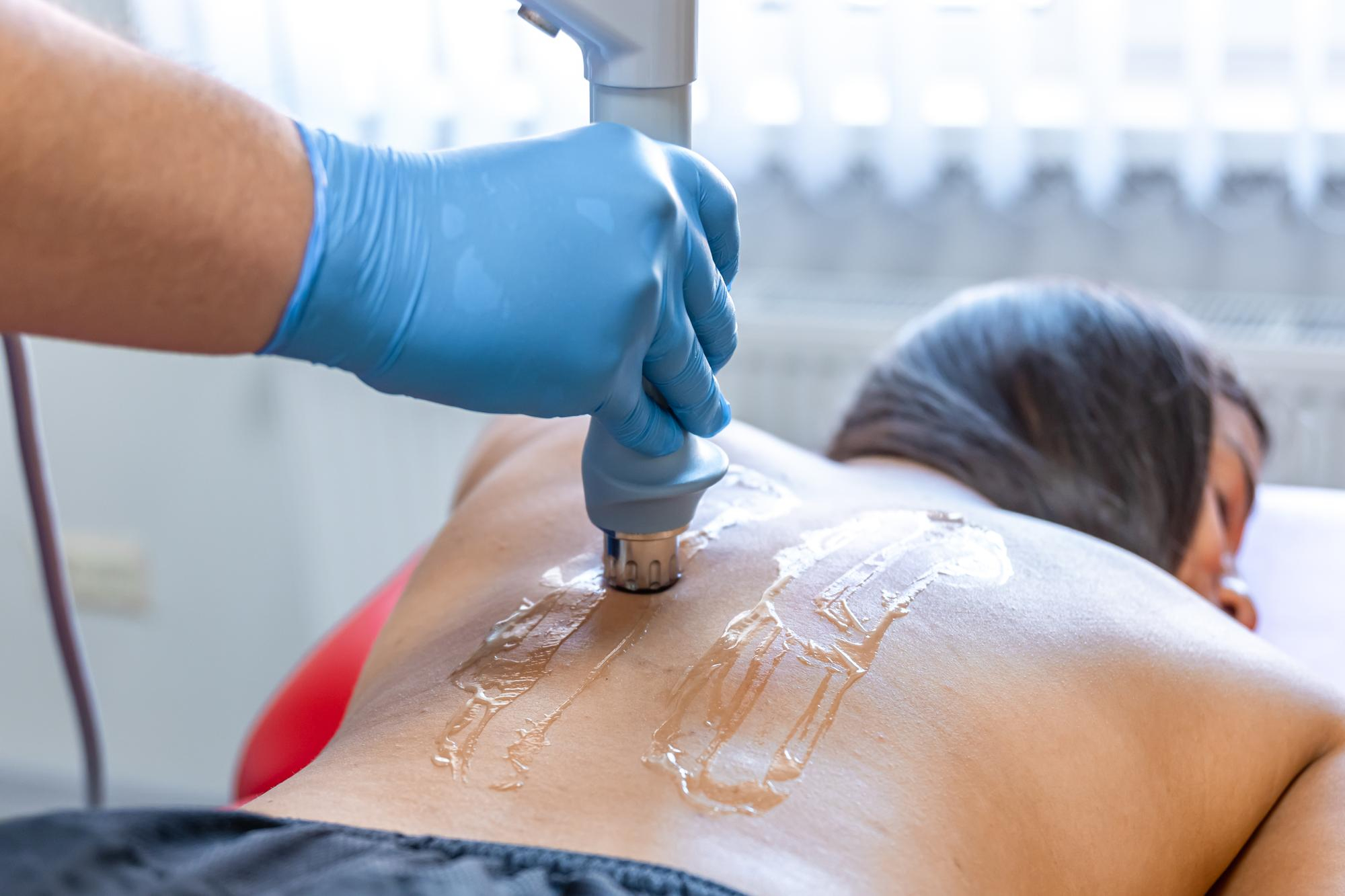
HIFU stands for high intensity focused ultrasound. Instead of using a blade, device systems send sound waves through the skin from a transducer. Where those waves meet, they deliver controlled energy to a small volume of tissue. When targeted carefully, HIFU therapy back pain treatment can influence sensory pathways or irritated structures that feed pain into the nervous system. The skin and surrounding tissues are monitored and protected, which keeps the treatment non surgical and non invasive.
Why Low Back Pain Becomes Chronic
Lower back pain often starts with a clear event such as a lift, twist, or long day of sitting. Over time, if tissue load, recovery, and stress are not balanced, the nervous system becomes more sensitive. Signals that used to be interpreted as simple effort begin to feel threatening. Muscles stiffen, sleep quality falls, and attention narrows to the painful area. HIFU therapy back pain options aim to quiet some of the excessive signaling from specific pathways. When that signaling softens, the brain becomes more willing to allow movement, which is why the rehabilitation plan around HIFU therapy back pain is just as important as the procedure.
How HIFU Therapy Back Pain Fits Into Modern Pain Management
Modern guidelines for pain care encourage a multi layered approach. Education, graded activity, psychological support, and thoughtful use of medicines or procedures all have a role. National chronic pain resources in Canada emphasize that long term improvement depends on combining physical and emotional strategies with treatment options that match the diagnosis. In that context, HIFU therapy back pain treatment is one tool in a larger toolbox, not a replacement for the fundamentals.
HIFU therapy back pain protocols are usually considered after basic care has been tried, such as physiotherapy, exercise, simple medications, and lifestyle changes, and before major surgery. If imaging and examination suggest that certain nerve pathways or tissue structures are primarily responsible for the pain, HIFU therapy back pain may be an option to reduce those signals in a focused way. For the right candidate, this can mean less reliance on medication, better tolerance for activity, and time to rebuild strength and confidence. For others, the evidence may be weaker, and conservative care will remain the mainstay.
Comparing HIFU Therapy Back Pain To Other Options
Traditional injections use needles to deliver medications near irritated tissues. Radiofrequency ablation uses heat generated by electrical current to influence nerve pathways. Surgery physically alters bones, discs, or joints. HIFU therapy back pain treatment seeks similar pain pathway changes through focused ultrasound energy from outside the body. It avoids incisions and needles, although it still carries risks and is not appropriate for everyone. The choice between these options depends on your diagnosis, overall health, goals, and response to prior care. A thorough assessment at UNIKA Medical Centre is the starting point.
Step By Step: What To Expect From HIFU Therapy Back Pain
Every HIFU therapy back pain journey begins with a detailed evaluation. Your clinician will review your story, pain patterns, previous treatments, imaging, and daily tasks. The aim is to confirm that the structures being considered for HIFU therapy back pain actually match your symptom map. If the patterns and images line up, and if you are a good candidate medically, a personalized plan is created. This plan will outline the target area, the number of sessions, the follow up schedule, and the rehabilitation steps that will follow.
On the day of HIFU therapy back pain treatment, you will arrive early for final checks and positioning. The team will mark landmarks, adjust the device, and use imaging guidance to confirm the target. Most sessions allow you to remain awake with comfort measures as needed. During HIFU treatment for back pain treatment, you may feel warmth, tingling, or pressure as energy is delivered, and the team will monitor your feedback. After the session ends, you can usually return home the same day with detailed instructions for activity, medication, and warning signs that require contact.
Before Your HIFU Session
Preparation is about creating the best possible environment for HIFU therapy back pain success. In the weeks before treatment, you will work on gentle mobility, short walks, and consistent sleep schedules. These routines calm the nervous system and improve circulation. You will also review medications with your clinician, arrange transportation, and set realistic expectations. HIFU treatment for back pain options are designed to reduce pain enough that you can engage more fully in your rehabilitation, not to erase every sensation overnight.
During And After HIFU Therapy Back Pain Treatment
During the procedure, your care team will talk you through each stage so you know what is happening. After HIFU therapy back pain treatment, some people experience temporary soreness or fatigue. The early days focus on simple walking, light activity within guidelines, and monitoring for unexpected reactions. Over the next weeks, as the effect of HIFU therapy back pain begins to settle, your rehabilitation plan gradually introduces more deliberate strength, mobility, and endurance drills. Regular check ins help adjust this plan based on your progress.
Everyday Habits That Support HIFU Therapy Back Pain Results
Even the best procedure will underperform if daily habits are working against it. Movement, sleep, and stress are powerful drivers of pain. Canadian public health resources highlight that regular physical activity reduces stress, improves heart and lung function, and can help manage various chronic conditions. When you combine these habits with HIFU therapy back pain treatment, you build a more stable base. Gentle, frequent activity keeps joints and soft tissues moving, which supports the changes that HIFU creates.
Sleep is equally important. Chronic pain and poor sleep often reinforce each other. Protecting a consistent bedtime, limiting screens late at night, and creating a quiet environment help the nervous system settle between days. Steadier sleep can reduce the sensitivity that makes ordinary activity feel painful, which in turn makes HIFU treatment for back pain effects more noticeable. Add hydration, supportive footwear, and brief breaks from long sitting, and you have a daily environment that helps the procedure work instead of fighting it.
Movement, Sleep, And Stress For Better Outcomes
Think of HIFU therapy back pain as a door opener. Your habits are the steps that move you through the doorway. Simple breathing drills, short walks after meals, scheduled stretch breaks, and realistic workloads keep stress within a manageable range. Over time, this combination shifts your nervous system from high alert toward a steadier middle ground. That shift is where many people notice that flare ups are less intense and less frequent.
Simple Ways To Protect Your Lower Back
Protecting your lower back does not require complex equipment. Most of the helpful steps are small and repeatable. HIFU therapy back pain treatment can give you a head start, but routines like the ones below keep that momentum going day after day.
First, adjust your sitting habits. Long periods in one position challenge discs, ligaments, and muscles. Set a timer to stand, walk, or stretch every forty five to sixty minutes. Use a chair that supports your hips and allows your feet to rest flat. Consider a small cushion or rolled towel behind the low back during longer tasks. These changes spread load and make it easier for your HIFU treatment for back pain plan to succeed.
Second, build micro sessions of movement into your day instead of waiting for one long workout. Even when time is tight, you can fit in a few minutes at a time. The list below offers ideas that pair well with HIFU therapy back pain rehabilitation and help maintain gains.
- Walk for five minutes after breakfast and dinner
- Perform ten slow sit to stands from a sturdy chair
- Use a wall for gentle supported squats
- Try a simple bridge exercise on the floor if approved by your clinician
- Gently pull knees toward the chest while lying on your back
- Practice ankle pumps and calf raises during phone calls
- Place a yoga mat where you can see it as a cue for quick mobility work
- Alternate carrying loads between hands instead of always using one side
These small choices reduce stiffness and keep blood flowing, which supports the healing environment that HIFU therapy back pain protocols aim to create.
Why Choose UNIKA Medical Centre
Choosing a clinic for HIFU therapy back pain treatment is about more than the device. It is about the team, the process, and the plan around the procedure. At UNIKA Medical Centre, your care starts with a detailed assessment that connects your story, tests, and imaging into a clear explanation. You will understand which structures may be involved, why HIFU treatment for back pain is being considered, and what other tools will surround it. Each recommendation is grounded in current evidence, safety standards, and your own priorities.
Care does not stop after the procedure. Your HIFU therapy back pain plan includes written rehabilitation steps, education on pacing and flare management, and check points where your program can be adjusted. The team collaborates with physiotherapists and other providers when needed so that your exercises, medications, and lifestyle changes point in the same direction. Through this structured, supportive approach, UNIKA Medical Centre aims to make HIFU therapy back pain a practical step in a longer journey toward confidence and function, not an isolated event.
Frequently Asked Questions
1) Is HIFU therapy back pain safe for everyone?
HIFU treatment for back pain treatment is not suitable for every person or every type of back problem. Your safety with HIFU therapy back pain depends on your overall health, your specific diagnosis, and the structures your clinician plans to target. Your care team should complete a full assessment to decide whether this treatment suits you and to review the risks and benefits in detail.
2) How long does it take to feel results from HIFU therapy back pain treatment?
Some people notice early changes in a few weeks, while others need more time. Most plans evaluate progress over several months because HIFU therapy back pain is usually combined with rehabilitation. The combination of procedure and graded activity often provides the clearest picture of benefit.
3) Can HIFU therapy back pain replace surgery completely?
>>For some people, HIFU therapy back pain may delay or reduce the need for surgery, especially when the condition is not yet severe. For others, surgery may still be the best long term solution. View HIFU therapy back pain as one option in a larger toolkit, not as a treatment that can replace every operation.
4) Will I still need medications after HIFU treatment for back pain treatment?
Many people continue to use some medications in the short term, especially during rehabilitation. Over time, if HIFU therapy back pain reduces symptoms and your strength improves, your clinician may adjust medicine doses. All changes should be made under professional guidance.
5) How does HIFU therapy back pain work with physiotherapy and exercise?
HIFU treatment for back pain is most effective when it opens a window for better training. As pain decreases, you can usually tolerate more targeted exercises. Physiotherapy then uses that window to build mobility, strength, and endurance. Without this training, the benefits of HIFU therapy back pain are less likely to last.
6) Are the results of HIFU therapy back pain permanent?
Results vary. Some people enjoy long term relief, while others experience partial or temporary benefit. Long term outcomes depend on diagnosis, tissue health, adherence to rehabilitation, and lifestyle factors. Ongoing movement and load management play a large role in maintaining gains from HIFU therapy back pain.
7) What should I ask my clinician before choosing HIFU therapy back pain treatment?
>>Ask what specific target your clinician will treat, what benefits you can expect, what risks you face, what alternatives exist, and how your team will measure success. You should also ask how HIFU therapy back pain will fit into your broader plan, including physiotherapy, exercise, and daily habit changes. Clear answers will help you decide whether this approach matches your goals.