
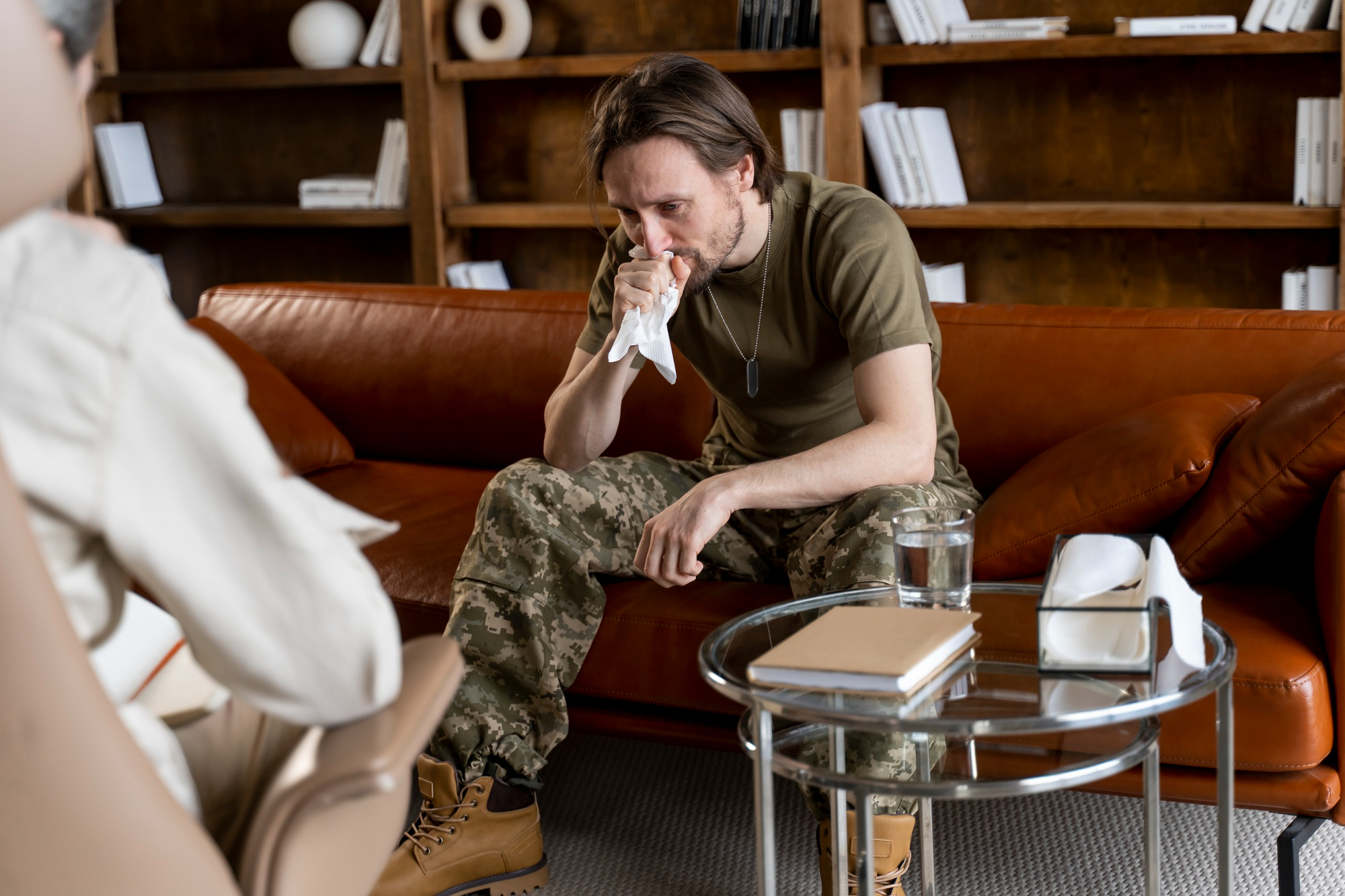
Cold weather, traffic, and crowded schedules can all make living with post traumatic stress feel heavier. Nightmares may spike, pain may flare, and it can feel like your nervous system never gets a break. For many people looking for new options, the idea of vagus nerve stimulation has begun to stand out. VNS targets one of the main communication highways between the brain and body. When you look for VNS PTSD Toronto options, you are usually searching for approaches that calm the nervous system without relying only on medications or hospital stays.
UNIKA Medical Centre works with people who live with trauma related symptoms, chronic pain, and mood changes. The team focuses on combining evidence informed therapies with realistic strategies you can use at home. When VNS PTSD Toronto care is part of that plan, the goal is not quick fixes. The goal is to reduce symptom spikes, improve sleep and safety, and help you participate fully in counselling, rehabilitation, and daily life. This guide explains what vagus nerve stimulation is, how it may help PTSD, who might benefit, and how it fits inside a complete treatment pathway.
How VNS PTSD Toronto Care Works With The Nervous System
The vagus nerve acts like a two way communication line between your brain and organs such as the heart, lungs, and digestive system. It influences heart rate, breathing patterns, and how quickly your body can shift out of a fight or flight response. When PTSD stays active, this system often becomes stuck on high alert. VNS PTSD Toronto programs aim to gently nudge this system toward a calmer baseline so that you can respond to stress instead of feeling flooded by it.
Traditional vagus nerve stimulation involved an implanted device that sends electrical signals through a lead attached to the nerve. Newer non invasive options can stimulate branches of the vagus nerve through the skin at the ear or neck. In both cases, the idea is similar. By sending carefully controlled pulses, VNS PTSD Toronto treatment tries to support circuits involved in mood, arousal, and fear conditioning so they respond in a healthier way over time.
What Is The Vagus Nerve In Everyday Terms
The vagus nerve is sometimes called the “rest and digest” nerve because it helps your body switch from threat mode into recovery mode. It influences heart rhythm, gut activity, voice, and even parts of the immune system. When the vagus nerve works well, your body can calm down after a shock, sleep more deeply, and process emotions with more flexibility. Poor vagal tone, on the other hand, can show up as constant tension, digestive upset, lightheadedness, and trouble relaxing. VNS PTSD Toronto approaches try to support better vagal tone so your body has more room to heal.
How VNS May Help PTSD Symptoms
Trauma can reshape brain circuits related to memory, fear, and bodily sensations. Many people living with PTSD experience intrusive memories, nightmares, hypervigilance, and physical symptoms such as pain or startle responses. Research suggests that stimulating the vagus nerve can influence brain areas involved in these processes, including the amygdala and prefrontal cortex. Over time, VNS PTSD Toronto treatment may help reduce reactivity, support emotional regulation, and make it easier to engage in therapies such as trauma focused counselling or physiotherapy.
Who Might Consider VNS PTSD Toronto Treatment
Not everyone with trauma related symptoms needs a device based therapy. First line care usually includes evidence based psychological treatments such as trauma focused cognitive behavioural therapy, exposure therapy, or EMDR, along with medication when appropriate. Canadian public health resources emphasize the importance of these established options for PTSD and trauma related conditions. VNS PTSD Toronto programs typically come into the picture when core treatments have helped but symptoms still interfere with work, relationships, or rehabilitation.
You might consider asking about VNS PTSD Toronto options if you have had a clear PTSD diagnosis, completed a reasonable trial of counselling and medication, and still struggle with major sleep disruption, panic, dissociation, or pain flares linked to trauma. People who live with both PTSD and chronic pain sometimes notice that their nervous system feels “stuck on high.” In these cases, vagus nerve stimulation may help soften the background alarm level so that other therapies can gain more traction.
When VNS PTSD Toronto May Not Be The First Choice
Some situations call for stabilizing basics before you explore a device based therapy. If you have untreated sleep apnea, uncontrolled heart rhythm problems, or other medical issues that affect the heart and lungs, your clinician may recommend addressing those first. VNS PTSD Toronto treatment may also be delayed if substances, housing instability, or safety concerns make it hard to commit to appointments. The priority in those cases is to secure safety, medical stability, and support networks so that any future VNS has a better chance of working.
The Role Of Thorough Assessment
Before anyone recommends VNS PTSD Toronto care, a detailed assessment should review your trauma history, current symptoms, physical health, and other diagnoses. This assessment often includes screening tools, physical examination, medication review, and discussion of past treatment responses. Canadian data on PTSD highlight how symptoms can overlap with depression, anxiety, and brain injury, so an accurate diagnosis is crucial before adding more complex treatments. At UNIKA Medical Centre, assessment also includes your goals and daily responsibilities so that any plan respects your reality, not just textbook descriptions.
Types Of VNS PTSD Toronto Approaches
There are two main ways clinicians use vagus nerve stimulation. Implanted VNS involves a device placed under the skin in the chest with a lead wrapped around the vagus nerve in the neck. Non invasive VNS uses electrodes placed on the surface of the ear or neck instead of surgery. Around the world, implanted VNS has approvals for epilepsy and treatment resistant depression. Non invasive approaches are being studied for PTSD, pain, and other conditions. VNS PTSD Toronto services generally focus on non invasive options that can be adjusted or paused without surgery.
In a non invasive VNS PTSD Toronto session, a device sends short bursts of stimulation during carefully timed periods. These sessions might occur in a clinic or at home with a prescribed device, depending on the system used and regulatory approvals. People often describe the sensation as mild tingling or pulsing. The plan typically includes regular sessions over weeks or months while tracking changes in sleep, mood, pain, and reactivity. The goal is gradual nervous system retraining, not instant relief.
How Non Invasive VNS Fits Into Daily Life
Non invasive VNS PTSD Toronto programs are usually designed to be practical. Sessions may last from a few minutes to half an hour and can often be scheduled around work or family responsibilities. Some devices allow you to log sessions and symptoms, which helps your clinician see patterns and adjust settings. Because the treatment does not involve surgery, adjustments and pauses are straightforward. This flexibility allows your team to integrate VNS with counselling, physiotherapy, and medication changes.
Considering Implanted VNS
Implanted VNS is more common in epilepsy and certain depression cases than in routine PTSD care, but some people explore it when multiple treatments have failed and research protocols allow it. In this approach, a surgeon places the device under the skin, and stimulation occurs automatically or in programmed cycles. If you encounter discussions of implanted VNS PTSD Toronto options, it is important to ask detailed questions about evidence, risks, battery life, and device management. For many people, non invasive options offer a more conservative first step.
Building A Complete VNS PTSD Toronto Care Plan
Vagus nerve stimulation works best when it joins a larger strategy rather than replacing everything else. A complete VNS PTSD Toronto plan includes therapy, medication review, physical activity, sleep support, and social connection. Counselling remains a cornerstone because it helps you process memories, learn skills, and rebuild identity beyond trauma. VNS can reduce nervous system overload, which may make it easier to use tools from therapy in daily life.
Physical health has a strong impact on mental health and PTSD recovery. Canadian frameworks on PTSD emphasize the need for coordinated approaches that link research, clinical care, and community supports. When UNIKA Medical Centre designs a VNS PTSD Toronto plan, the team often collaborates with family doctors, psychiatrists, physiotherapists, and other professionals. This collaboration helps ensure that sleep issues, pain, mobility, and medical conditions receive attention alongside trauma focused care.
Integrating VNS With Therapy And Medication
If you start VNS PTSD Toronto sessions, your therapist and prescriber should know the schedule and goals. Together, you can decide which symptoms to track and whether to adjust medications over time. For some people, improved sleep and reduced hyperarousal allow gradual simplification of drug regimens, always under medical supervision. Therapy sessions can also use the calmer nervous system state created by VNS to tackle more challenging material in a safer way.
Lifestyle Foundations That Support VNS
Simple habits make a large difference in how well VNS PTSD Toronto treatment feels. Gentle activity such as walking, stretching, or yoga can improve vagal tone. Regular sleep times and reduced late night screen use support the brain areas that VNS targets. Eating balanced meals and staying hydrated can stabilize blood sugar and energy, which helps you respond more evenly to stress. None of these steps must be perfect. The aim is to create a supportive environment so that each stimulation session has better raw material to work with.
Quick Daily Habits To Support VNS PTSD Toronto Recovery
Two big ideas sit underneath most nervous system recovery plans. First, your brain needs repeated signals of safety in small, manageable doses. Second, your body needs movement, light, and connection to reset. The random list below offers simple habits that you can mix and match. They work whether you are already in a VNS PTSD Toronto program or still considering one.
- Step outside for at least five minutes of daylight within an hour of waking
- Pair one VNS PTSD Toronto session with slow breathing or grounding practice
- Take a short walk after meals to reduce tension and improve digestion
- Choose one daily task that reinforces control, such as making a list or tidying a small space
- Limit doom scrolling by setting a simple time boundary for news and social media
- Practice a brief check in with a supportive person by text or voice each day
- Keep a small notebook where you record three moments of ease or safety before bed
These habits are not meant to replace therapy or medical care. They are designed to gently shift your system toward a state where VNS PTSD Toronto treatment, counselling, and medication can work more smoothly.
Why Choose UNIKA Medical Centre
Choosing a clinic for VNS PTSD Toronto care involves more than picking the closest address. You need a team that respects your history, explains options clearly, and works across disciplines. UNIKA Medical Centre focuses on integrated assessment that connects trauma history, physical health, and daily demands. Your clinician takes time to map current symptoms, review past treatments, and discuss your goals so that any VNS PTSD Toronto recommendation fits your life, not just your diagnosis.
When treatment includes VNS, UNIKA Medical Centre uses conservative dosing and careful monitoring. Image guidance and protocol based settings help improve accuracy and safety where devices require it. Every VNS PTSD Toronto program includes clear instructions, written home plans, and regular follow up visits. The team coordinates with therapists, primary care providers, and other specialists so that stimulation, counselling, and rehabilitation all move in the same direction toward recovery.
Safety, Evidence, And Questions To Ask
Any discussion of VNS PTSD Toronto treatment should include potential risks and limits. Side effects can include skin irritation, tingling, temporary headache, or changes in heart rate and voice, depending on the method used. Serious complications are less common but must still be reviewed carefully. Evidence for VNS in PTSD is promising but still evolving. Canadian frameworks on PTSD stress that first line psychological treatments remain essential and that newer approaches should complement, not replace, established care.
When you meet a clinician about VNS PTSD Toronto options, bring questions. Ask which form of VNS they use, how many patients they have treated, what benefits they hope for, and how they will measure success. Clarify whether you will continue counselling and medication, how long a trial period lasts, and what happens if you do not notice improvements. Transparent answers build trust and help you make decisions that line up with your values and responsibilities.
Finding Hope With VNS PTSD Toronto Care
Living with PTSD can make each day feel like a negotiation with your own nervous system. Flashbacks, pain, numbness, and exhaustion can shrink your world and strain relationships. The growing field of vagus nerve stimulation offers new possibilities for people who have tried standard treatments but still need more support. VNS PTSD Toronto programs, when grounded in evidence and combined with counselling, physical care, and lifestyle support, can help some individuals regain a sense of calm and control.
If you are curious about whether VNS PTSD Toronto treatment belongs in your plan, consider booking a comprehensive assessment at UNIKA Medical Centre. Bring your questions, your concerns, and your goals. Together, you and your care team can review options that may include VNS, therapy, medication, and rehabilitation. With the right mix of tools and support, it is possible to move toward a life where trauma no longer dictates every decision.
Frequently Asked Questions
- What is VNS PTSD Toronto treatment?
VNS PTSD Toronto treatment uses vagus nerve stimulation to help calm an overactive stress response in people living with PTSD. - Who might benefit from VNS PTSD Toronto therapy?
People with diagnosed PTSD in Toronto who tried counselling and medication but still have major symptoms may benefit from VNS PTSD Toronto care. - Is VNS PTSD Toronto treatment non invasive?
Most VNS PTSD Toronto programs use non invasive stimulation at the ear or neck, so they do not require surgery. - How long before VNS PTSD Toronto results appear?
Some patients notice small changes in sleep or anxiety within weeks, while others need a few months of steady VNS PTSD Toronto sessions. - Can VNS PTSD Toronto replace my current therapy?
No, VNS PTSD Toronto treatment works best alongside counselling, physical care, and sometimes medication, not as a stand alone option. - Are there side effects from VNS PTSD Toronto sessions?
Possible effects of VNS PTSD Toronto treatment include mild tingling, skin irritation, or headache, which are usually short lived. - How do I start VNS PTSD Toronto care at UNIKA Medical Centre?
Book a consultation at UNIKA Medical Centre so the team can review your history and decide whether VNS PTSD Toronto treatment fits your needs.