
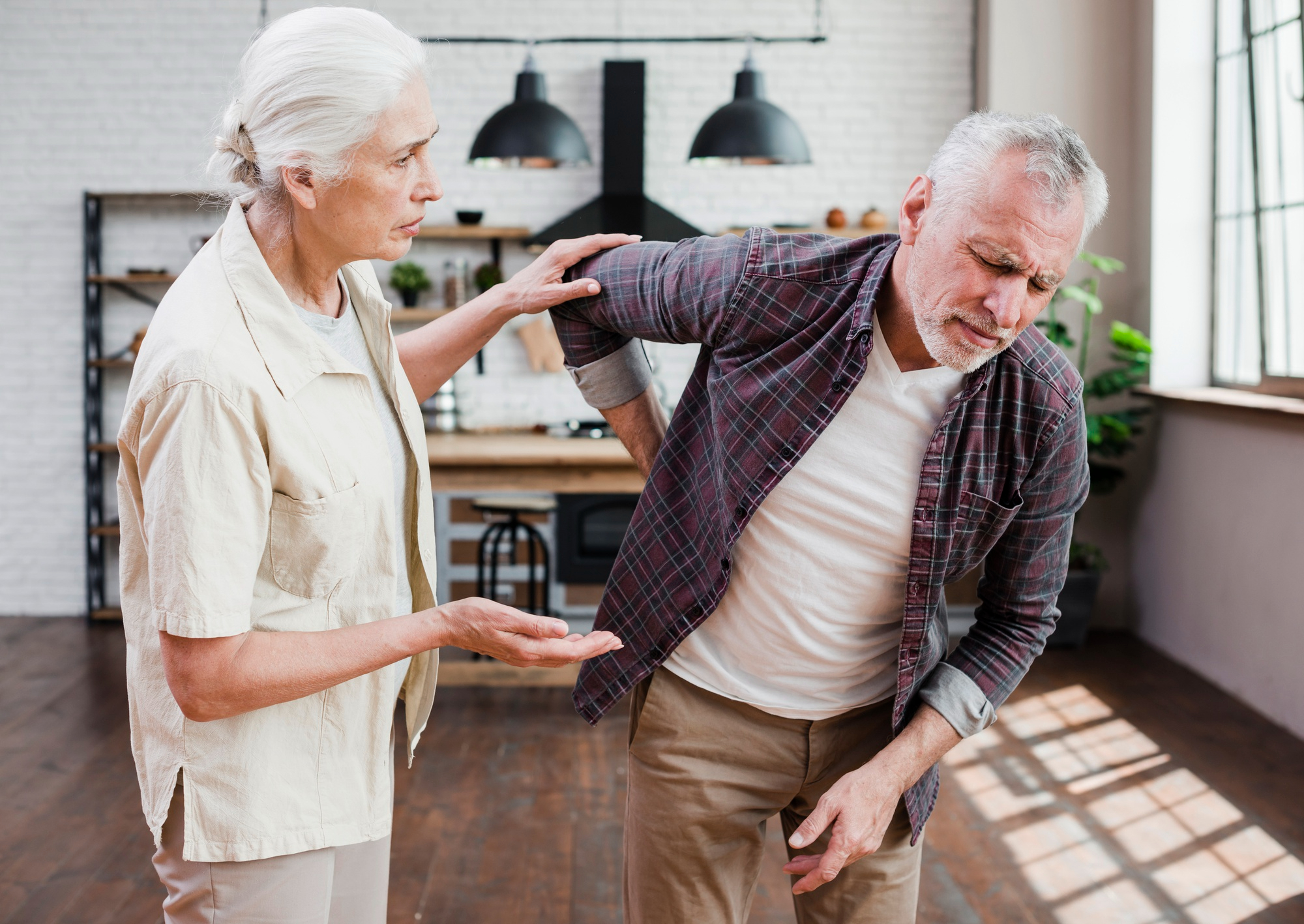
Aches that linger, mornings that start stiff, stairs that feel steeper than they used to—life after 50 brings new realities. But “living with it” isn’t the only option. With the right mix of science, movement, and support, pain can become manageable and life can feel spacious again. That’s the promise of senior pain management: a coordinated approach that reduces symptoms, protects independence, and helps you keep doing what you love.
At UNIKA Medical Centre, we build individualized plans that respect medications you already take, health conditions you carry, and goals that matter to you. This guide explains how modern senior pain management works, why it’s different from one-size-fits-all care, and how to start improving this week—without jumping straight to surgery or long-term opioids.
Why pain changes after 50 (and what to do about it)
Biology shifts—and so should your plan
- Tissue adaptation slows. Tendons and cartilage remodel more slowly, so recovery takes longer unless loading is dosed just right.
- Nerves grow “louder.” The central nervous system can amplify danger signals, making once-tolerable activities feel sharp or exhausting.
- Medications accumulate. Polypharmacy complicates choices. Senior pain management must consider interactions and side-effects from the outset.
The big idea
Senior pain management isn’t about ignoring age; it’s about designing around it. With smarter pacing, targeted strength, and conservative procedures when necessary, most adults 50+ can regain meaningful function without drastic measures.
The core principles of senior pain management
- Function first. Pain relief matters, but the true goal is the freedom to walk, garden, travel, sleep, and socialize.
- Least risk, most gain. Start with the safest options and escalate only if needed.
- Iterate. Recovery is rarely linear; good senior pain management adapts every few weeks based on your progress.
- Integrate. Movement, sleep, stress, meds, and (when helpful) injections work better together than alone.
A thorough assessment—your roadmap to progress
What we check at the start
- History and patterns. When is pain best/worst? What helps? What flares it?
- Movement testing. Which motions calm symptoms? Which aggravate them?
- Strength and balance. Key for falls prevention and confident mobility.
- Medication review. Senior pain management must account for blood thinners, blood pressure pills, diabetes meds, acid reducers, and more.
- Sleep and stress. Poor sleep turns up pain volume; stress drains recovery.
When imaging helps (and when it doesn’t)
X-ray or MRI can guide care when results change decisions. But images of “degeneration” are common after 50—even in people without pain. We use scans thoughtfully so they inform geriatric pain management, not frighten you.
Pillar 1: Movement therapy that meets you where you are
Why movement is medicine at every age
Properly dosed activity improves joint lubrication, nudges nerves to calm down, and builds strength so everyday tasks feel easier. It’s the engine of senior pain management.
The progression we use
- Phase A: Calm and restore (1–2 weeks)
Gentle mobility, 360° breathing, and isometrics that lower pain without flaring it. - Phase B: Build capacity (3–6 weeks)
Heavier, slower strength for hips, thighs, calves, and back; daily walks or cycling. - Phase C: Resilience (7–12 weeks)
Stairs, carries, light hills, and pace changes that translate to real life.
Micro-tests that guide loading
- Pain during an exercise (0–10 scale)
- “Echo pain” 24 hours later
- Effort/breathing (can you speak in full sentences?)
These quick checks keep senior pain management safe and effective.
Pillar 2: Mind–body skills that turn down the “volume”
Your nervous system is part of the solution
When pain sticks around, the brain protects you by becoming extra cautious. Mind–body strategies help it feel safer.
- Breath training. Low, slow, wide breaths reduce muscle guarding and calm the autonomic system.
- Brief mindfulness. Two minutes of noticing sensations without judgment makes movement practice smoother.
- Cognitive tools. Replace “I’m fragile” with “I’m cautious—and building capacity.” This shift fuels consistent senior pain management.
Pillar 3: Sleep, stress, and daily rhythm
- Protect sleep. Cooler room, darker lights, regular wind-down. Deep sleep is when tissues repair and the nervous system resets.
- Create anchors. Walk after breakfast, strength on Mon/Wed/Fri, stretch while the kettle boils. Routine helps senior pain management stick.
- Pacing, not pushing. Aim for “comfortably challenging”—enough to stimulate change without inviting a flare.
Pillar 4: Medication optimization—conservative and precise
Right drug, right dose, right time
Medication can create a window for progress, but it’s not the plan. In senior pain management, we emphasize safety:
- Topicals first. NSAID gels or lidocaine patches target small areas with fewer systemic effects.
- Acetaminophen for baseline relief (mind liver limits).
- SNRIs/TCAs when nerve-related or widespread pain dominates.
- Gabapentinoids for selected neuropathic patterns (watch drowsiness, falls risk).
- Opioid stewardship. If already prescribed, we review dose, function goals, and taper options. Long-term use is uncommon in modern senior pain management.
Always coordinate changes with your clinician; many drugs interact with blood thinners, reflux meds, or diabetes treatments.
Pillar 5: Targeted non-surgical procedures (when pain blocks progress)
- Ultrasound-guided injections for severe inflammation that prevents movement practice.
- Hyaluronic acid for knee osteoarthritis to improve lubrication while you strengthen.
- Nerve blocks to quiet stubborn pain and help you resume walking and exercise.
- Neuromodulation (e.g., TENS). Safe, home-friendly way to interrupt pain signals.
These are bridges—not destinations—in senior pain management, used sparingly and paired with rehab.
Assistive tools, footwear, and ergonomics that make life easier
- Canes and trekking poles reduce joint load and improve confidence (especially outdoors).
- Footwear with rocker soles helps sore knees and stiff big toes.
- Kitchen and bathroom ergonomics cut bending and awkward reaches.
- Grabbers and risers make daily wins easy—momentum matters in senior pain management.
Condition-specific roadmaps after 50
Knee or hip osteoarthritis
- Strengthen hips and thighs 2–3×/week.
- Walk or cycle most days; use hills sparingly at first.
- Consider hyaluronic acid to improve comfort while training.
- Weight management, if appropriate, reduces joint load over time.
Lumbar or neck pain
- Directional preference drills (repeated movements that ease symptoms).
- Core endurance (planks, carries), hip hinges, and step-ups.
- Teach your spine to tolerate sitting changes, not just standing breaks.
Peripheral neuropathy
- Balance drills, ankle/foot strength, and safe footwear.
- Blood sugar management if relevant.
- Gentle walking or aquatic exercise improves nerve health and mood.
Osteoporosis and fracture recovery
- Safe strength and posture training, plus balance work.
- Vitamin D and calcium as recommended by your clinician.
- Progressive return to life roles—confidence is a treatment.
Senior pain management customizes each roadmap to your history, goals, and medications.
14 “tiny upgrades” that add up
- Put a water bottle by your favorite chair.
- Keep resistance bands where you charge your phone.
- Walk the hallway while the kettle boils.
- Stand during two TV commercials.
- Use the top step as a mini-calf exercise.
- Add one fruit or veggie at lunch.
- Dim screens an hour before bed.
- Pack a light cardigan to avoid “cold-stiff” moments.
- Park one level farther from the elevator.
- Practice five sit-to-stands after each bathroom break.
- Text a friend to plan a walk.
- Keep analgesic gel in a visible spot (ask your clinician what’s right).
- Put a slip-resistant mat in the shower.
- Note one “1% win” daily.
Tiny upgrades power senior pain management by building momentum.
Safety first: falls prevention woven into every plan
- Train balance and ankle strength 2–3×/week.
- Clear tripping hazards (loose rugs, cords, clutter).
- Night-light pathways to bathroom and kitchen.
- Medication review to reduce dizziness or drowsiness.
For national education and tools on falls prevention, explore the Public Health Agency of Canada’s resources
Food, bone health, and recovery
- Protein in every meal supports muscle repair (aim for even distribution across the day).
- Colourful plants add anti-inflammatory polyphenols.
- Hydration keeps joints happy and energy steady.
- Vitamin D and calcium as advised by your clinician, particularly for bone health.
Tracking what matters: simple metrics that guide change
- Pain 0–10 during and 24 hours after activity
- Sit-to-stand repetitions in 30 seconds
- Daily step count (or minutes moved)
- Sleep hours and quality
- Confidence score for key tasks (stairs, shopping, gardening)
Numbers keep geriatric pain management honest; when progress stalls, we adjust.
Canadian education links you can trust
- Health Canada’s Pain Management hub (education, self-management tools, and supports)
- Public Health Agency of Canada: Falls prevention (programs, checklists, guidance)
These resources complement the plan you build with UNIKA Medical Centre.
Why Choose UNIKA Medical Centre
Team-based care under one roof
Physicians, physiotherapists, nurses, and health coaches collaborate on your case. Your senior pain management plan is integrated—not pieced together.
Personalized, measurement-driven plans
We match progressions to your goals and update them every 2–4 weeks. If the data say adjust, we adjust.
Safety and transparency
We explain benefits, risks, and alternatives for medications and procedures. You always know the “why” behind your plan.
Access that fits real life
Evening and virtual appointments, clear pricing, and easy-to-follow home programs make geriatric pain management doable week after week.
A sample 12-week journey (what it can look like)
- Weeks 1–2: assessment, quick wins (sleep, breath, two starter exercises), topical analgesic plan.
- Weeks 3–6: strength progression; walking routine; consider short-term injection if pain blocks movement.
- Weeks 7–10: stairs, hills, or cycling intervals; refine ergonomics at home.
- Weeks 11–12: independence plan—flare rules, travel tips, and a “maintenance set” you can keep forever.
Momentum beats perfection
Pain doesn’t have to run the show. With clear steps, smart pacing, and support that respects your life, most adults 50+ can move more, worry less, and sleep better. If you’re ready for a plan that works in real life, book a comprehensive assessment with UNIKA Medical Centre. We’ll tailor senior pain management to your goals, monitor progress, and help you reclaim the parts of life pain has been crowding out.
Educational note: This article offers general information, not medical advice. Your plan should be personalized with a qualified clinician who knows your history.
Frequently Asked Questions:
1) What does senior pain management include besides medication?
It blends assessment, personalized exercise, mind–body skills, sleep support, safe procedures when needed, and education. Medication is one tool inside senior pain management, not the whole plan.
2) How fast will I notice results with senior pain management?
Many people feel early wins in 2–4 weeks—better sleep or easier walks. Bigger functional gains typically build over 8–12 weeks of consistent senior pain management.
3) Do I need imaging before starting senior pain management?
Not always. We order scans when results will change decisions. Careful testing often guides early senior pain management better than routine imaging.
4) Can senior pain management help if I have arthritis or “degeneration”?
Yes. Strength, mobility, pacing, and lifestyle changes reduce symptoms and improve capacity even when images show wear-and-tear. Senior pain management focuses on what you can do today.
5) Are injections required in senior pain management?
No. Many improve without them. When pain blocks progress, a targeted, short-term injection can help you re-engage with exercise as part of senior pain management.
6) Will senior pain management let me reduce medications?
Often. As function improves and flares ease, we can explore careful dose reductions with your prescriber. The goal is effective, safe senior pain management with the fewest side-effects.
7) Is senior pain management covered by insurance?
Many components—physiotherapy, certain consults, and education—are covered by extended benefits. We help you understand coverage and design senior pain management within your plan.
